


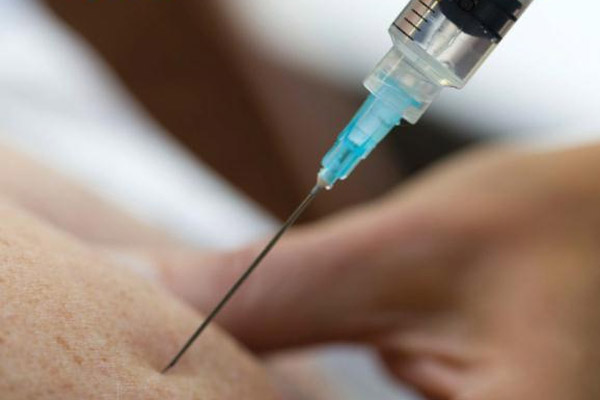
Systems to combat antibiotic resistance lacking globally: WHO warns
“All types of microbes – including many viruses and parasites – are becoming resistant to medicines. Of particularly urgent concern is the development of bacteria that are progressively less treatable by available antibiotics,” WHO quoted Dr. Keiji Fukuda, WHO’s Assistant Director-General for Health Security as saying in a press release.
“This is happening in all parts of the world, so all countries must do their part to tackle this global threat,” according to Dr. Fukuda.
According to the new report Worldwide country situation analysis: Response to antimicrobial resistance only 34 of 133 countries that responded to a WHO survey have comprehensive national plans to preserve antimicrobial medicines like antibiotics, but many more countries must also step up.
Another key finding is that “in many countries, poor laboratory capacity, infrastructure and data management are preventing effective surveillance, which can reveal patterns of resistance and identify trends and outbreaks.”
WHO also noted that the sales of antibiotics and other antimicrobial medicines without prescription remain widespread, with many countries lacking standard treatment guidelines, which increases the potential for overuse of antimicrobial medicines by the public and medical professionals.
And “public awareness of the issue is low in all regions, with many people still believing that antibiotics are effective against viral infections,” according to the report.
“This situation is alarming, particularly in countries where antimicrobial medicines are readily available without a prescription,” according to WHO.
It said, “Among professional groups, academics were generally more aware of the problem of antimicrobial resistance than others, including health care workers.”
WHO warned that “the general lack of awareness in these sectors would indicate that antimicrobial resistance is likely to spread further.”
Issued a year after WHO’s first report on the extent of antimicrobial resistance globally, which warned of a ‘post-antibiotic era,’ the new survey, carried out in 2013 and 2014, is the first to capture governments’ own assessments of their response to resistance to antimicrobial medicines used to treat conditions such as bloodstream infections, pneumonia, tuberculosis, malaria and HIV.
WHO, countries and partners have developed a draft Global Action Plan to combat antimicrobial resistance, including antibiotic resistance, which has been submitted to the 68th World Health Assembly, scheduled to take place next month.
“One essential step in implementing the Global Action Plan would be the development of comprehensive national plans in countries where they are now lacking and further develop and strengthen existing plans,” the UN health agency said.
Photo: WHO
Support Our Journalism
We cannot do without you.. your contribution supports unbiased journalism
IBNS is not driven by any ism- not wokeism, not racism, not skewed secularism, not hyper right-wing or left liberal ideals, nor by any hardline religious beliefs or hyper nationalism. We want to serve you good old objective news, as they are. We do not judge or preach. We let people decide for themselves. We only try to present factual and well-sourced news.
Support objective journalism for a small contribution.


