


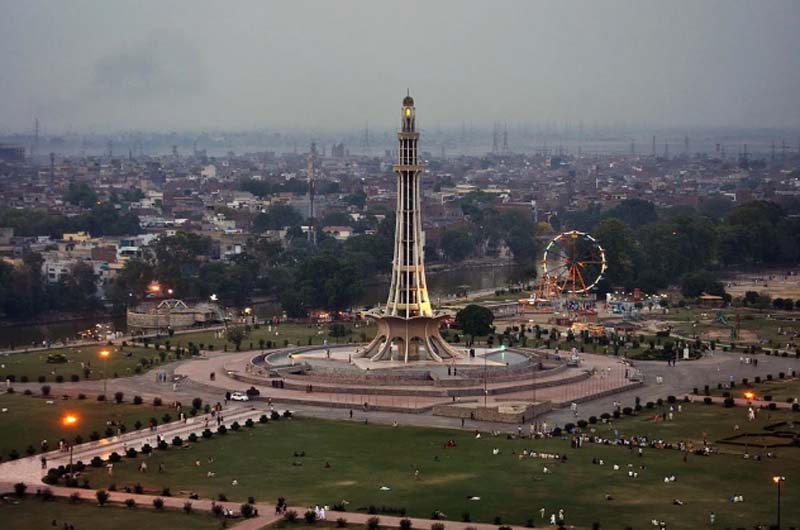
 Pakistan Pollution
Pakistan is world's second most polluted nation: Report
Islamabad: A latest global report has said Pakistan stands in the second position in the list of polluted countries in the world.
Bangladesh ranks first in the list released by World Air Quality Report 2020.
India ranks better than Pakistan in the third position.
The list includes names of 106 nations across the globe.
The report said South Asia is the most polluted region of the world with Bangladesh, India and Pakistan sharing 42 of the 50 most polluted cities worldwide.
“The year 2020 brought an unexpected dip in air pollution. In 2021, we will likely see an increase in air pollution due to human activity, again,” said Frank Hammes, CEO of IQAir. "We hope this report will highlight that urgent action is both possible and necessary to combat air pollution, which remains the world's greatest environmental health threat."
The 2020 World Air Quality Report is based on PM2.5 data from 106 countries, that has been measured by ground-based monitoring stations.
Of the data sources included in this report, 66.6% of stations were operated by governmental agencies, while the remainder represent monitoring stations managed by local residents, non-profit organizations and companies.
Support Our Journalism
We cannot do without you.. your contribution supports unbiased journalism
IBNS is not driven by any ism- not wokeism, not racism, not skewed secularism, not hyper right-wing or left liberal ideals, nor by any hardline religious beliefs or hyper nationalism. We want to serve you good old objective news, as they are. We do not judge or preach. We let people decide for themselves. We only try to present factual and well-sourced news.
Support objective journalism for a small contribution.


