


 Plague
Oregon reports rare case of bubonic plague
A person in the US state of Oregon has been diagnosed with a rare case of bubonic plague.
According to reports, it is the first instance of a rare bacterial infection reported in the region since 2015.
How was the person infected?
Deschutes County said the individual was likely infected by their symptomatic pet cat.
“All close contacts of the resident and their pet have been contacted and provided medication to prevent illness,” said Richard Fawcett, Deschutes County Health Officer,k was quoted as saying by Deschutes County website.
What are the symptoms?
Symptoms of plague usually begin in humans two to eight days after exposure to an infected animal or flea.
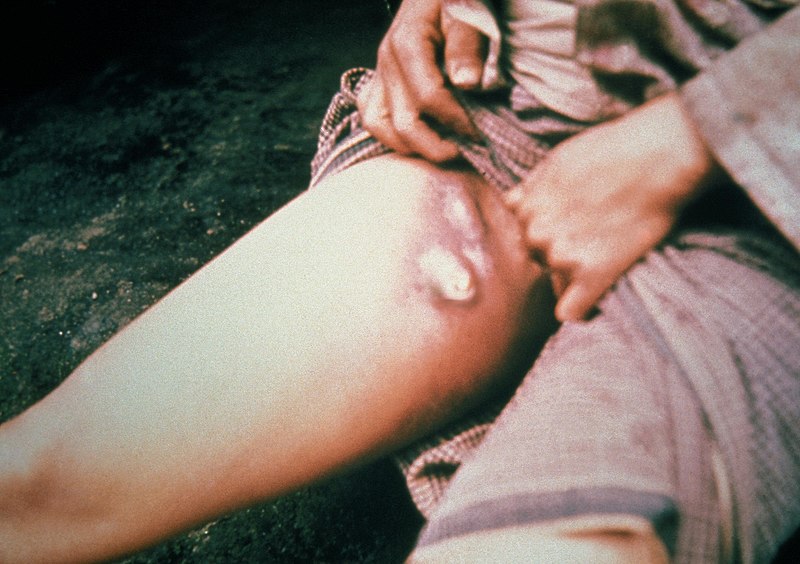
These symptoms may include a sudden onset of fever, nausea, weakness, chills, muscle aches, and/or visibly swollen lymph nodes called buboes.
If not diagnosed early, bubonic plague can progress to septicemic plague (bloodstream infection) and/or pneumonic plague (lung infection). These forms of plague are more severe and difficult to treat.
"Fortunately, this case was identified and treated in the earlier stages of the disease, posing little risk to the community. No additional cases of plague have emerged during the communicable disease investigation," read the Deschutes County website.
How does the disease spread?
It spreads to humans or animals through a bite from an infected flea or by contact with an animal sick with the disease.
The most common animals to carry plague in Central Oregon are squirrels and chipmunks, but mice and other rodents can also carry the disease.
How to prevent the spread of plague?
Avoid all contact with rodents and their fleas. Never touch sick, injured, or dead rodents.
Keep pets on a leash when outdoors and protect them with flea control products. Do not allow pets to approach sick or dead rodents or explore rodent burrows.
Pet cats are highly susceptible to plague, and infected cats can transmit the bacterium to humans. If possible, discourage their hunting of rodents. Consult a veterinarian immediately if your cat becomes sick after being in contact with rodents.
Residents should keep wild rodents out of homes and remove food, woodpiles, and other attractants for rodents around homes and outbuildings.
Do not camp, sleep, or rest near animal burrows or areas where dead rodents are observed.
Refrain from feeding squirrels, chipmunks, or other wild rodents in campgrounds and picnic areas. Store food and refuse in rodent-proof containers.
Wear long pants tucked into boot tops to reduce exposure to fleas. Apply insect repellent to socks and trouser cuffs to help reduce exposure to fleas.
Support Our Journalism
We cannot do without you.. your contribution supports unbiased journalism
IBNS is not driven by any ism- not wokeism, not racism, not skewed secularism, not hyper right-wing or left liberal ideals, nor by any hardline religious beliefs or hyper nationalism. We want to serve you good old objective news, as they are. We do not judge or preach. We let people decide for themselves. We only try to present factual and well-sourced news.
Support objective journalism for a small contribution.


