


 Aditya L1
India's Aditya-L1 Mission captures first-ever full-disk image of Sun
New Delhi/IBNS: The Indian Space Research Organisation (ISRO) managed to capture the first-ever full-disk images of the Sun through its Aditya-L1 Mission.
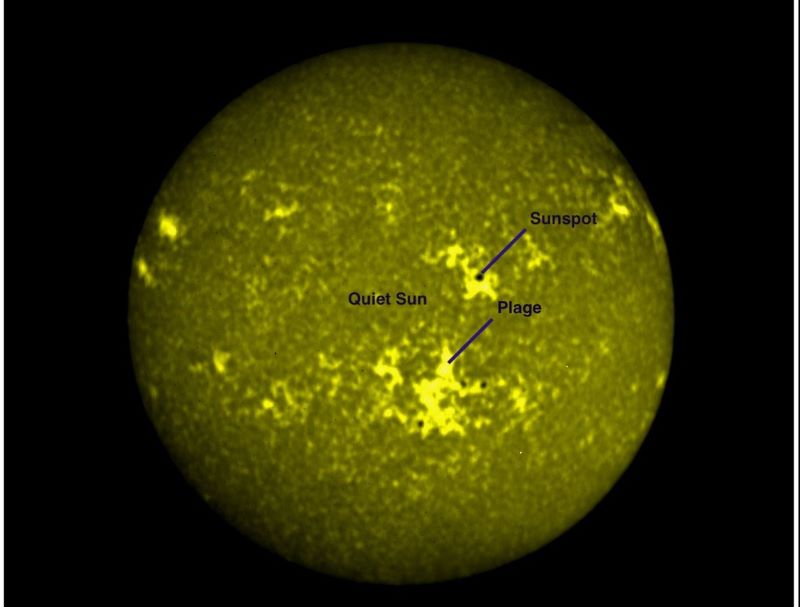
The images, captured in near ultraviolet wavelengths, "provide pioneering insights into the intricate details of the Sun's photosphere and chromosphere," ISRO posted on X.
Aditya-L1 Mission:
— ISRO (@isro) December 8, 2023
The SUIT payload captures full-disk images of the Sun in near ultraviolet wavelengths
The images include the first-ever full-disk representations of the Sun in wavelengths ranging from 200 to 400 nm.
They provide pioneering insights into the intricate details… pic.twitter.com/YBAYJ3YkUy
The Solar Ultraviolet Imaging Telescope or SUIT instrument on board the Aditya-L1 spacecraft captured the images in the 200-400 nm wavelength range, ISRO said in a statement.
Using various scientific filters, SUIT captures images of the Sun's photosphere and chromosphere in this wavelength range.
Sunspots, plage, and quiet Sun regions were among the features revealed through the photos.
The SUIT observations will help scientists study the dynamic coupling of the magnetized solar atmosphere and assist them in placing tight constraints on the effects of solar radiation on Earth's climate, the space agency said.
Support Our Journalism
We cannot do without you.. your contribution supports unbiased journalism
IBNS is not driven by any ism- not wokeism, not racism, not skewed secularism, not hyper right-wing or left liberal ideals, nor by any hardline religious beliefs or hyper nationalism. We want to serve you good old objective news, as they are. We do not judge or preach. We let people decide for themselves. We only try to present factual and well-sourced news.
Support objective journalism for a small contribution.


