


 Climate Change
Heatwaves, high temperatures threatening young lives in South Asia, warns UNICEF
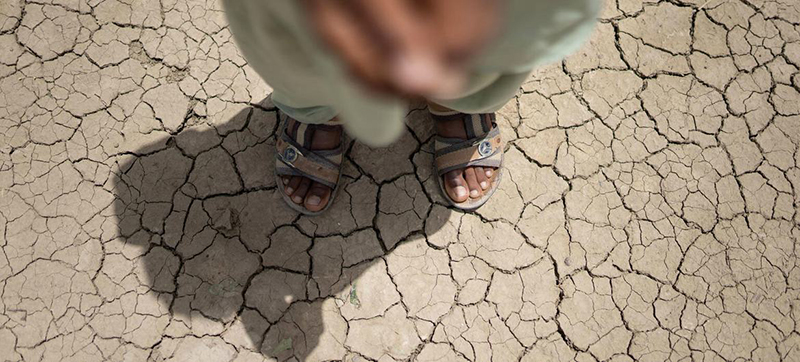
Three-quarters of children in South Asia are already exposed to extreme high temperature compared to only one in three globally, the UN Children’s Fund (UNICEF) said on Monday, urging authorities to do more to help them beat the heat.
UNICEF estimates that 76 per cent of children under 18 in the region - 460 million - are exposed to extreme high temperatures where 83 or more days in a year exceed 35° Celsius.
July was the hottest month ever recorded globally, raising further concerns about a future where children, including those living in South Asia, are expected to face more frequent and severe heatwaves, largely due to climate change.
“With the world at global boiling, the data clearly show that the lives and well-being of millions of children across South Asia are increasingly threatened by heat waves and high temperatures,” said Sanjay Wijesekera, UNICEF Regional Director for South Asia.
The world’s hottest city
According to UNICEF’s 2021 Children's Climate Risk Index (CCRI), children in Afghanistan, Bangladesh, India, Maldives, and Pakistan are at 'extremely high risk' of the impacts of climate change.
“We are particularly concerned about babies, toddlers, malnourished children and pregnant women as they are most vulnerable to heat strokes and other serious effects,” added Wijesekera.
In parts of Pakistan’s southern Sindh province, including Jacobabad, the world’s hottest city in 2022, temperatures were in their 40’s in June, exposing 1.8 million people to severe short- and long-term health risks.
The scorching heat came less than one year after the devastating floods which left most parts of southern Sindh underwater in August 2022.
Life-threatening risks
Even in the rainy season, the heat can exacerbate the situation for children. Since children cannot adapt quickly to temperature changes, they are not able to remove excess heat from their bodies.
This can cause symptoms and illnesses such as higher body temperature, rapid heartbeat, cramps, severe headache, confusion, organ failure, dehydration, fainting and coma, in young children; poor mental development in infants; and developmental setbacks such as neurological dysfunction, and cardiovascular diseases.
Early contractions, hypertension, seizures, high blood pressure, preterm births and stillbirths are risks for pregnant women, who are particularly susceptible to heat.
For young children, ice packs, fans or misting with water can help lower their body temperature, while cold water immersion can help older children.
Support Our Journalism
We cannot do without you.. your contribution supports unbiased journalism
IBNS is not driven by any ism- not wokeism, not racism, not skewed secularism, not hyper right-wing or left liberal ideals, nor by any hardline religious beliefs or hyper nationalism. We want to serve you good old objective news, as they are. We do not judge or preach. We let people decide for themselves. We only try to present factual and well-sourced news.
Support objective journalism for a small contribution.


