


 Alcohol COnsumption
Europe tops the charts for alcohol consumption, WHO calls for urgent action to curb trend
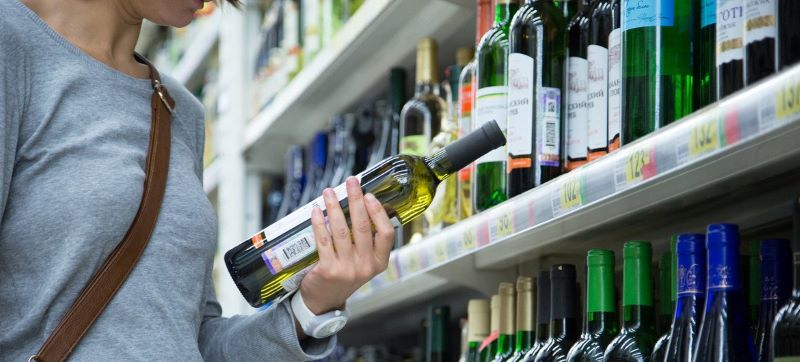
It seems that Europeans don’t want to give up booze. A UN World Health Organization (WHO) report has found that nothing has changed in the continent’s drinking habits. Despite the health risks, Europeans consume an average of 9.2 litres of pure alcohol a year - making them the world’s biggest drinkers.
WHO’s Dr Gauden Galea said that the impacts are far-reaching including domestic violence, accidents and mental health issues. He called on countries to implement effective policies to reduce drinking.
How much are Europeans drinking?
The numbers tell a sobering story: men in the region drink nearly four times more than women and 470 million people drinkers according to latest data. Two out of every three adults drink, one in 10 has an alcohol use disorder and almost six per cent live with alcohol dependence. Yet only 12 out of 53 countries have made progress in reducing consumption by 10 per cent since 2010.
While the WHO European Region is on track to meet its alcohol target, this is mainly because of big reductions in a few large countries like Russia, Türkiye and Ukraine which have increased taxes and limited availability. In contrast, EU countries have not seen any change in alcohol consumption for over ten years, highlighting the need to step up the action to meet the Sustainable Development Goals (SDGs).
Dr. Carina Ferreira-Borges, Regional Adviser on Alcohol, Illicit Drugs, and Prison Health said: “We are paying the price, alcohol is causing hundreds of thousands of cardiovascular diseases, injuries, cancers and liver cirrhosis in our region.”
Harmful effects of alcohol
The report warned that alcohol is the leading cause of death in Europe, accounting for almost 800,000 deaths a year; 2,200 people die daily from alcohol-related causes, almost nine per cent of all deaths in the region.
Noncommunicable diseases (NCDs) like heart disease, cancer, diabetes and chronic respiratory disease account for 90 per cent of deaths and 85 per cent of disability years in the WHO European Region. Most alcohol-related deaths (over 600,000 a year) are from NCDs, with half from heart disease. The report shows a high incidence of alcohol-related cancers in Europe due to high consumption and an ageing population.
This is made more problematic as few people know that alcohol is a major cancer risk. Despite being classified as a Group 1 carcinogen by the WHO's International Agency for Research on Cancer (IARC) many people are not aware that alcohol can cause cancer, the report found.
Not enough being done to to reduce drinking
Despite the clear evidence of harm, many European countries are not implementing the WHO recommendations which include: increasing alcohol taxes, restricting marketing and reducing availability.
Lithuania, Latvia and Estonia have shown that population-level control policies can reduce consumption, harm and increase life expectancy.
"We have the tools and the evidence. We need the will. As the 2025 deadline for the UN High-Level Meeting looms we must act now and make the changes to keep our populations healthy,” Dr. Galea stressed.
The WHO urged countries to act now to meet Sustainable Development Goals on health and limit commercial interests that promote drinking alcohol.
Support Our Journalism
We cannot do without you.. your contribution supports unbiased journalism
IBNS is not driven by any ism- not wokeism, not racism, not skewed secularism, not hyper right-wing or left liberal ideals, nor by any hardline religious beliefs or hyper nationalism. We want to serve you good old objective news, as they are. We do not judge or preach. We let people decide for themselves. We only try to present factual and well-sourced news.
Support objective journalism for a small contribution.


