


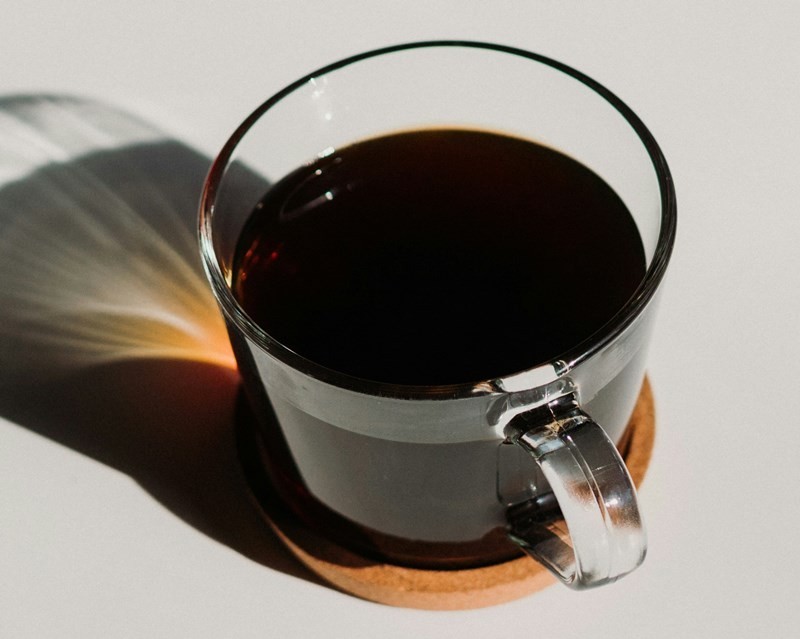
 Coffee
Coffee lovers, rejoice! Doctor reveals why your daily cup may actually be good for you
If you feel guilty about drinking coffee every day, there may be some good news. An oncologist has highlighted the potential health benefits of drinking black coffee in moderation, while a new scientific statement from the American Heart Association (AHA) suggests that up to five cups of caffeinated coffee a day may be safe for most adults.
Dr. Vartika Vishwani, an oncologist, recently shared her views on Instagram, explaining why she prefers drinking black coffee.
“Black coffee isn’t just about staying awake—it may also support long-term health when consumed in moderation,” she wrote.
“As an oncologist, I enjoy my daily cup of black coffee because research suggests it may be linked to better brain health, liver health, heart health, and even longevity. It’s rich in antioxidants that help combat oxidative stress, one of the factors associated with ageing and chronic diseases,” she added.
However, Dr. Vishwani stressed that coffee is not a “magic drink” and that its potential benefits should be viewed alongside a healthy lifestyle.
“The biggest benefits come when it’s paired with a healthy lifestyle, good sleep, balanced nutrition, and regular exercise,” she said.
AHA: Up to 5 cups of coffee may be safe
Meanwhile, drinking up to five cups of caffeinated coffee a day appears to be safe for most adults and may even be associated with a lower risk of cardiovascular disease, according to a new scientific statement from the American Heart Association.
However, the organisation cautioned that high doses of caffeine, particularly from energy drinks and energy shots, may pose risks to heart health.
The statement, titled “Caffeine and Cardiovascular Disease,” was published in the AHA’s flagship peer-reviewed journal Circulation.
“Caffeine consumed in coffee is a key part of daily life for millions of people, and in our review of the most recent research, for most adults, intake of up to 400 mg of caffeine per day—roughly the equivalent of up to five cups of caffeinated coffee without added sugars or fillers—is safe and does not increase cardiovascular risk,” said Gregory M. Marcus, professor of medicine at the University of California, San Francisco School of Medicine, and chair of the volunteer writing group behind the scientific statement.
“However, high doses of caffeine, such as those found in energy drinks and energy shots, may have harmful effects on the heart and should be avoided,” he added.
Why coffee may have health benefits
The researchers noted that assessing caffeine’s impact on cardiovascular health is complex because coffee contains several bioactive compounds in addition to caffeine.
Some experimental studies suggest these compounds have antioxidant and anti-inflammatory properties, which could contribute to coffee’s potential health benefits.
However, the researchers also pointed out that additives such as milk, cream, flavoured syrups and sugar can affect coffee’s overall health impact.
Importantly, most existing studies are observational. This means they can identify associations between coffee consumption and health outcomes but cannot establish a direct cause-and-effect relationship.
Caffeine is also found in tea, chocolate, soft drinks, energy drinks and certain over-the-counter and prescription medicines. The AHA said more research is needed to understand how different sources of caffeine affect cardiovascular health.
Coffee and blood pressure
Research suggests that caffeine affects blood pressure differently depending on the amount consumed.
According to the AHA statement, people with normal blood pressure who consumed one to three cups of coffee daily showed a higher risk of developing hypertension, while those consuming more than three cups a day were found to have a lower risk.
However, high-caffeine products such as energy drinks can significantly increase blood pressure, particularly among people who already have hypertension.
Coffee and Type 2 diabetes
Regular consumption of plain black caffeinated coffee has been associated with a lower risk of developing Type 2 diabetes.
Researchers believe the potential benefit may be linked to coffee’s other bioactive compounds rather than caffeine itself.
Coffee and cholesterol
The AHA statement also highlighted a potential downside of certain types of coffee.
Cafestol, a natural compound found in both caffeinated and decaffeinated coffee, can increase levels of low-density lipoprotein (LDL), commonly known as “bad” cholesterol.
Cafestol is particularly abundant in unfiltered coffee, including espresso, French press, Turkish and boiled coffee. It is largely absent from paper-filtered and instant coffee.
Does coffee affect heart rhythm?
Recent studies found that drinking one to three cups of caffeinated coffee daily was not associated with an increased risk of atrial fibrillation, one of the most common heart rhythm disorders.
However, the same level of consumption may increase the occurrence of premature ventricular contractions (PVCs), or early heartbeats originating from the heart’s lower chambers.
Very high caffeine intake, particularly from energy drinks, has also been linked to abnormal heart rhythms, including in otherwise healthy young adults.
Coffee, heart disease and stroke
Drinking two to four cups of coffee a day was associated with a lower risk of coronary heart disease, heart failure and stroke, according to the evidence reviewed in the AHA statement.
However, consuming more than four cups daily may increase the risk of heart failure.
Not all caffeine sources are the same
The AHA stressed that different caffeinated products can have very different effects on health.
Although fewer studies have examined tea, available evidence suggests that it may also be associated with a lower risk of atrial fibrillation, heart failure and stroke.
Energy drinks, caffeine gels, bars and supplements, on the other hand, often contain additional ingredients that can accelerate caffeine absorption, intensify its effects, increase blood pressure and raise the risk of cardiovascular complications.
The statement called for more randomised clinical trials to determine how different caffeinated beverages and products affect heart health and why individuals respond differently to caffeine.
The researchers also highlighted the need for dedicated studies on energy drinks and other high-caffeine products because of their growing popularity.
No one-size-fits-all caffeine limit
Because of insufficient high-quality evidence, caffeine was not specifically included in the American Heart Association’s 2026 Dietary Guidance to Improve Cardiovascular Health.
“Although research suggests caffeine consumption may be associated with certain cardiovascular benefits for some people, there is no one-size-fits-all strategy for safe caffeine consumption,” Marcus said.
“People respond differently to caffeine depending on factors such as age, genetics, medications, underlying health conditions and how quickly their bodies metabolise it. What may be a reasonable amount for one person could cause heart palpitations, anxiety or sleep disruption in another,” he added.
Marcus advised people to pay attention to how their bodies respond to caffeine and discuss their intake with their healthcare provider when necessary.
Support Our Journalism
We cannot do without you.. your contribution supports unbiased journalism
IBNS is not driven by any ism- not wokeism, not racism, not skewed secularism, not hyper right-wing or left liberal ideals, nor by any hardline religious beliefs or hyper nationalism. We want to serve you good old objective news, as they are. We do not judge or preach. We let people decide for themselves. We only try to present factual and well-sourced news.
Support objective journalism for a small contribution.


