


Address double burden of malnutrition: WHO
“The current nutrition profile of the South-East Asia Region is characterized by under nutrition rates that are declining slowly alongside rapidly rising rates of overweight and obesity, often within the same communities, and even in the same households. This double burden is depriving people of reaching their potential, and is fueling rising rates of noncommunicable diseases. We need to mobilize multisectoral action to address the problem at the earliest,” Dr Poonam Khetrapal Singh, Regional Director, WHO South-East Asia, said.
Across the Region, an estimated 60 million children aged 0-5-years are stunted, while 8.8 million are overweight. Thinness affects 24-47 per cent of adolescent girls, while between 2-24 percent are overweight. Among adult women, prevalence of overweight or obesity ranges between 18-30 per cent.
“The 2030 Sustainable Development Goals Agenda calls for an end to all forms of malnutrition. As a means of fulfilling this objective, in consultation with all Member countries of the Region, WHO developed the Strategic Action Plan to Reduce the Double Burden of Malnutrition in the South-East Asia Region 2016-2025,” said Dr Khetrapal Singh. “This will provide the basis for action moving forward.”
The Strategic Action Plan serves as an advocacy and reference tool for Member countries that will ensure national interventions are comprehensive and evidence-based. It lays particular emphasis on promoting a supporting environment for nutrition interventions and securing multisectoral commitment to addressing the problem, including from the private sector.
Dr Khetrapal Singh said traditional determinants of malnutrition, which include inequality and inadequate care, economic growth and demographic changes and globalization, have all altered the nutrition profile of the Region and are providing challenges for policymakers.
Member countries discussed the trans-generational impact on future generations caused by maternal under nutrition as well as overweight and obesity resulting from inadequate and unhealthy eating habits and low physical activity.
The Strategic Action Plan was adopted by Member countries at the Sixty-ninth session of WHO Regional Committee, the highest decision-making body which includes health ministers and senior health ministry officials of the 11 Member countries of the Region – Bangladesh, Bhutan, Democratic People’s Republic of Korea, India, Indonesia, Maldives, Myanmar, Nepal, Sri Lanka, Thailand and Timor-Leste.
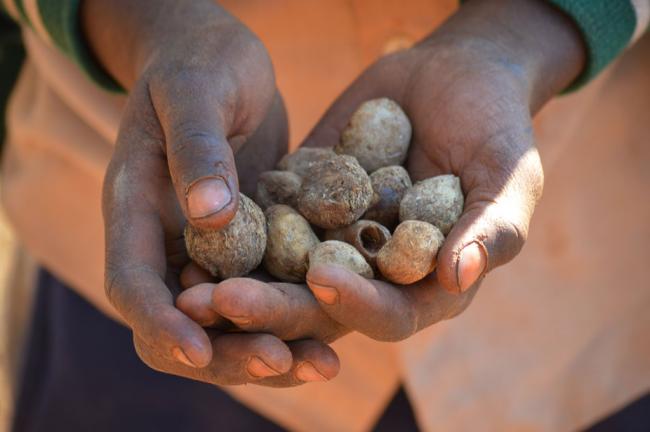
Photo: UNICEF/Richard Nyamanhindi
Support Our Journalism
We cannot do without you.. your contribution supports unbiased journalism
IBNS is not driven by any ism- not wokeism, not racism, not skewed secularism, not hyper right-wing or left liberal ideals, nor by any hardline religious beliefs or hyper nationalism. We want to serve you good old objective news, as they are. We do not judge or preach. We let people decide for themselves. We only try to present factual and well-sourced news.
Support objective journalism for a small contribution.


