In new report, UN agency promotes 'agrocorridors' as economic driver for developing countries
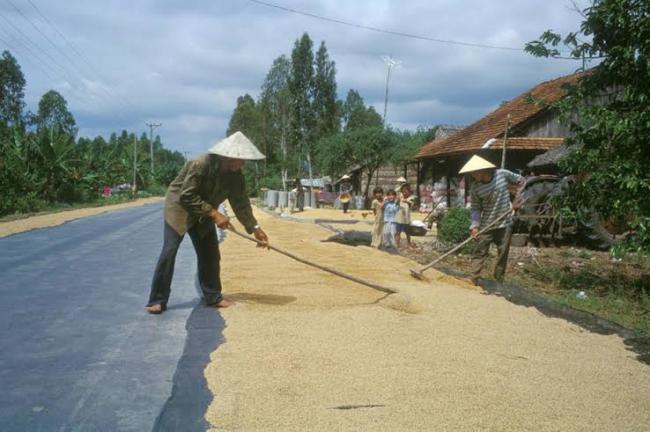
The programmes – also described as economic 'agrocorridors' by the UN agency – are designed to foster agriculture in developing countries, particularly in territories connected by lines of transportation such as highways, railroads, ports or canals, by integrating investments, policy frameworks and local institutions.
“The key idea is not just to make transportation or irrigation infrastructure improvements but to provide a platform that enables and empowers authorities at local, national and regional levels to make more informed decisions about what they want to achieve,” said FAO agribusiness economist Eva Gálvez Nogales and author of the Making economic corridors work for the agricultural sector report.
In a press release issued earlier today, the FAO explained that such corridors have traditionally been used to bolster physical connectivity to improve the functioning of markets, such as the linking of mines to ports.
However, the agency added, the corridors can also be harnessed to smarter planning initiatives, aimed at enhancing agricultural opportunities, achieving explicit targets such as creating rural jobs, environmental goals and catalysing improved governance along value chains.
The 200-page report itself analyses in detail six specific case studies, including three well-advanced corridor programmes in Central Asia, the Greater Mekong Subregion in Southeast Asia and Peru and three new projects still largely in the early implementation phase in Indonesia, Mozambique and Tanzania.
In addition to boosting local economies and accessing untapped growth potential, so-called 'agrocorridors' can also be a boon for efforts aimed at protecting the environment, said Eugenia Serova, director of FAO's Rural Infrastructure and Agro-Industries Division.
“Corridors can in fact allow for better management of environment risks and practices such as unsuitable monocropping,” Serova continued.
“The key is for inclusive coordination of stakeholder interests both in the planning and execution phase.”
Photo: FAO/J. M. Micaud
Support Our Journalism
We cannot do without you.. your contribution supports unbiased journalism
IBNS is not driven by any ism- not wokeism, not racism, not skewed secularism, not hyper right-wing or left liberal ideals, nor by any hardline religious beliefs or hyper nationalism. We want to serve you good old objective news, as they are. We do not judge or preach. We let people decide for themselves. We only try to present factual and well-sourced news.
Support objective journalism for a small contribution.