Cabinet clears ₹1,500 cr scheme to boost recycling of critical minerals, eyes supply chain resilience
New Delhi: The Union Cabinet, chaired by Prime Minister Narendra Modi, on Wednesday approved a ₹1,500 crore incentive scheme aimed at accelerating India’s recycling capacity for extracting and producing critical minerals from secondary sources.
The initiative, part of the National Critical Mineral Mission (NCMM), is designed to strengthen domestic capacity and reduce dependence on imports at a time when global supply chains face heightened vulnerabilities.
While greenfield mines and overseas acquisitions will take time to add to supplies, the government sees recycling as an immediate measure to bolster self-reliance in critical minerals.
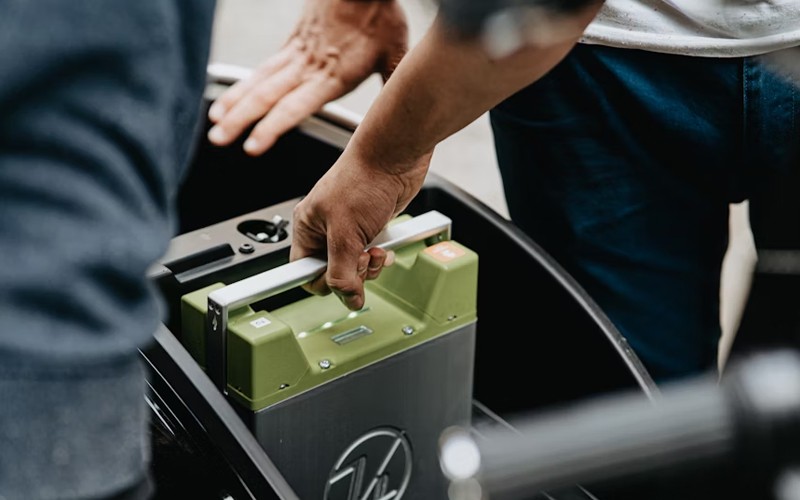
The scheme, to run for six years from FY2025-26 to FY2030-31, will cover recycling of e-waste, lithium-ion battery scrap, catalytic converters, and other end-of-life vehicle scrap.
Both large established recyclers and smaller firms, including start-ups, will be eligible, with one-third of the outlay earmarked exclusively for smaller entities.
Incentive design
Capex subsidy: 20% support on plant, machinery, and utilities for units starting production within the stipulated timeframe, tapering for delays.
Opex subsidy: Linked to incremental sales above FY2025-26 levels; firms can claim 40% of eligible operating costs in the second year and 60% in the fifth year, subject to meeting thresholds.
Subsidy ceilings: Large entities can receive up to ₹50 crore, while smaller firms are capped at ₹25 crore. Opex support is limited to ₹10 crore and ₹5 crore, respectively.
The government expects the scheme to create at least 270 kilo tonnes of recycling capacity annually and generate about 40 kilo tonnes of critical minerals per year.
It is projected to attract ₹8,000 crore in investment and create nearly 70,000 direct and indirect jobs.
Officials said the scheme is also intended to encourage firms extracting minerals, rather than merely producing intermediate materials like black mass, thereby tightening India’s control over the critical raw material supply chain.
Support Our Journalism
We cannot do without you.. your contribution supports unbiased journalism
IBNS is not driven by any ism- not wokeism, not racism, not skewed secularism, not hyper right-wing or left liberal ideals, nor by any hardline religious beliefs or hyper nationalism. We want to serve you good old objective news, as they are. We do not judge or preach. We let people decide for themselves. We only try to present factual and well-sourced news.
Support objective journalism for a small contribution.