


 Autism
Kolkata: IAC holds ‘Autism in Practice’ session, stresses early intervention
Kolkata/IBNS: The India Autism Centre (IAC) marked World Autism Awareness Month by hosting a knowledge session aimed at promoting acceptance of autistic behaviours and supporting families in navigating daily challenges.
Knowledge Series Held in Bhawanipur
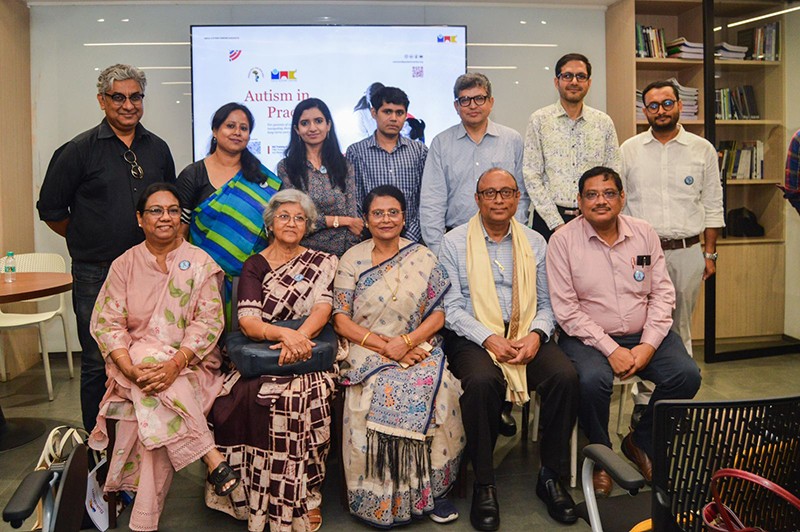
The specially curated series, Autism in Practice, was held on Saturday at the IAC training centre in Bhawanipur. The event brought together medical professionals, therapists and parents of autistic children to share real-life experiences and discuss practical solutions.
‘Hope Drives Progress’
Addressing the session, Jaishankar Natarajan, Director and CEO of IAC, highlighted the long-term challenges associated with autism.
“Many people don’t walk this path because it is different and comes with lifelong difficulties,” he said.
On staying positive, he added, “Hope is what keeps us going. When we see an autistic child making progress or parents saying therapy is working, it gives us the courage to continue.”
Focus on Lifelong Care
Natarajan also spoke about parental concerns regarding the future of autistic children.
“Parents often ask what will happen to their child when they are no longer around. Our vision is to create Samavesh—a safe, structured and inclusive environment that supports dignity, independence and lifelong care,” he said.
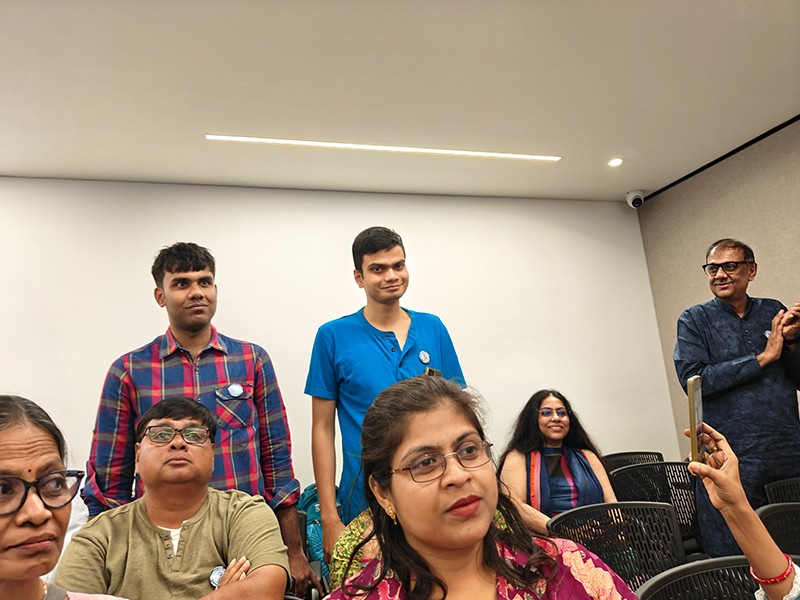 Photo: PR Team
Early Signs and Intervention
The discussion stressed the importance of early diagnosis and intervention, along with the evolving role of paediatric neurology in India.
Dr. Manish Samnani, Clinical Director at SOCH and an occupational therapist, said early signs may include lack of eye contact, memory issues and behavioural responses like screaming.
“Screaming is often a form of communication. Children may also hit to seek attention. In such situations, calming techniques like gentle belly pressure can help,” he said.
He added that autism is typically identified between the ages of three and four, and parents should seek medical advice promptly if signs are noticed.
A Parent’s Perspective
Dr. Rudrajit Sinha, who is also a parent of an autistic child, emphasised acceptance and understanding.
“I have no shame or regret that my child has autism. It is our limitation that we fail to understand their world of communication. We should not force them to conform to our norms,” he said.
(Reporting by Rajat Dhar)
Support Our Journalism
We cannot do without you.. your contribution supports unbiased journalism
IBNS is not driven by any ism- not wokeism, not racism, not skewed secularism, not hyper right-wing or left liberal ideals, nor by any hardline religious beliefs or hyper nationalism. We want to serve you good old objective news, as they are. We do not judge or preach. We let people decide for themselves. We only try to present factual and well-sourced news.
Support objective journalism for a small contribution.


