


 Health
Knee trouble in your 20s? Orthopaedic expert sounds the alarm
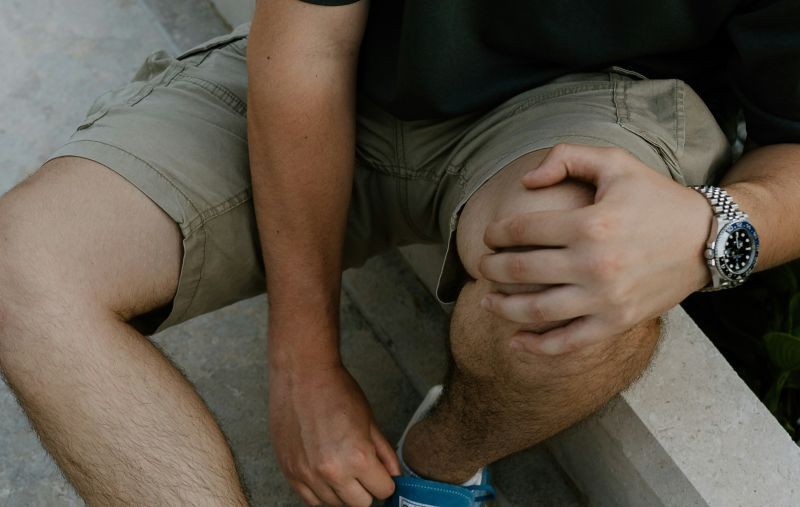
A leading orthopaedic specialist has raised concerns over a growing number of young adults in their 20s and 30s experiencing knee pain while walking, climbing stairs, kneeling, or squatting — a condition once largely associated with older age.
Dr Aashish K. Sharma, Director of Orthopaedics & Joint Replacement at CK Birla Hospitals, told Moneycontrol, “Your knees don’t care about your age. They respond to how you use them every day. Over the past few years, we’ve observed a clear shift in our OPDs. Patients in their 20s and early 30s are coming in with knee pain, early cartilage thinning, and even alignment issues that we previously associated with individuals in their 40s or 50s.”
Highlighting the key factors behind this worrying trend, he said, “The biggest culprits are prolonged sitting, poor workstation ergonomics, low muscle strength, sudden high-intensity gym routines, and frequent weight fluctuations.”
He explained that extended sedentary hours significantly weaken the muscles supporting the knee, particularly the quadriceps and hamstrings. “When you sit for eight to ten hours a day, these muscles lose strength. Then, if you suddenly engage in heavy squats or long-distance runs over the weekend, the knee joint bears excessive stress. Since cartilage does not have its own blood supply, once damage begins, recovery is slow,” he noted.
Dr Sharma urged individuals not to ignore persistent knee pain, cautioning against assuming it will resolve on its own.
“The good news is that early intervention can make a significant difference. With timely physiotherapy, posture correction, weight management, and in select cases, minimally invasive, joint-preserving alignment procedures using enhanced precision tools, we can slow down or even prevent long-term degeneration,” he added.
Support Our Journalism
We cannot do without you.. your contribution supports unbiased journalism
IBNS is not driven by any ism- not wokeism, not racism, not skewed secularism, not hyper right-wing or left liberal ideals, nor by any hardline religious beliefs or hyper nationalism. We want to serve you good old objective news, as they are. We do not judge or preach. We let people decide for themselves. We only try to present factual and well-sourced news.
Support objective journalism for a small contribution.


