


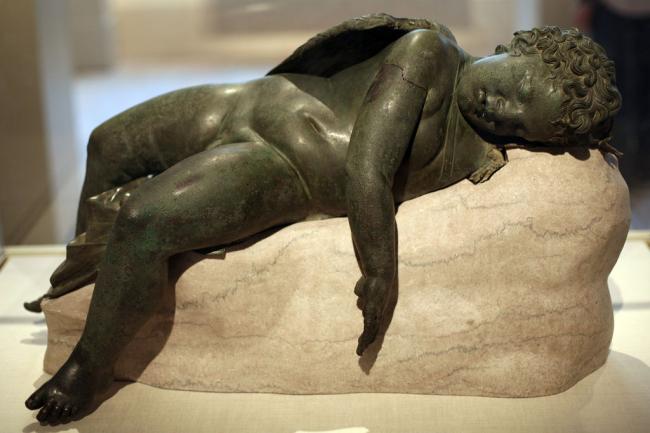
Adolescent sleep duration is associated with daytime mood: Study
Results show that adolescents showed increased variability in sadness, anger, and sleepiness when sleep was restricted compared to when sleep was extended. This effect was not moderated by age, sex, race, or the order in which participants underwent the sleep conditions.
“These results are important because variability in mood and emotional dysregulation can interfere with social, school, and behavioral functioning, and may contribute to the development of more severe psychopathology,” said senior author, Dean Beebe, PhD, professor of pediatrics at Cincinnati Children’s Hospital Medical Center and University of Cincinnati College of Medicine. “The promising aspect of this finding is that sleep can be modified and by promoting healthy sleep we could potentially prevent the development and/or maintenance of more serious mental health problems for some teens.”
The research abstract was published recently in an online supplement of the journal Sleep and will be presented Monday, June 13 and Tuesday, June 14, in Denver at SLEEP 2016, the 30th Anniversary Meeting of the Associated Professional Sleep Societies LLC (APSS).
The study group consisted of 97 healthy adolescents aged 14-17 (64.9 percent female, 46.9 percent European American). Participants completed 5 consecutive nights of sleep restriction (i.e., 6.5 hours in bed) and 5 nights of extended sleep (i.e., 10 hours in bed) in a randomized, counterbalanced cross-over experimental design, with a 2-night washout between conditions.
Adolescents reported on feelings of nervousness, sadness, anger, energy, fatigue, ability to concentrate, and sleepiness each day of the study. Variability in mood was measured by the standard deviation of these daily mood scores across each condition.
The study was supported by the National Institutes of Health (NIH).
Image: Wikimedia Commons
Support Our Journalism
We cannot do without you.. your contribution supports unbiased journalism
IBNS is not driven by any ism- not wokeism, not racism, not skewed secularism, not hyper right-wing or left liberal ideals, nor by any hardline religious beliefs or hyper nationalism. We want to serve you good old objective news, as they are. We do not judge or preach. We let people decide for themselves. We only try to present factual and well-sourced news.
Support objective journalism for a small contribution.


