India’s digital revolution set to create a $1 trillion economy by 2028: Report
New Delhi: India’s financial ecosystem has undergone a significant transformation, driven by deep internet penetration, affordable 4G and 5G services, and a range of government digital initiatives.
These enablers are positioning India to become a USD 1 trillion digital economy by 2028, news agency ANI reported, citing a report by Ask Capital.
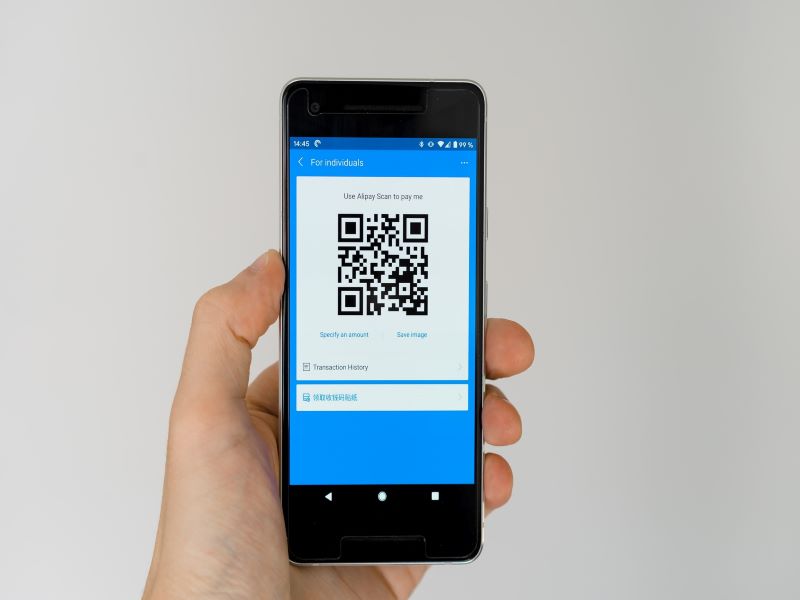
India has emerged as a global leader in real-time payments, thanks to innovations like the Unified Payments Interface (UPI), which is expected to contribute 90% of total retail digital payments by 2027.
The shift towards a cashless economy, accelerated by smartphone adoption and e-commerce growth, is revolutionizing sectors such as finance, education, healthcare, and travel.
Government initiatives like Pradhan Mantri Jan Dhan Yojana (PMJDY) and the Direct Benefit Transfer (DBT) schemes have significantly enhanced financial inclusion.
With over 120 crore telecom subscribers and nearly 95.4 crore internet users, including substantial growth in rural areas, digitalisation is deepening across the country.
The Telecom Regulatory Authority of India (TRAI) reported a 21.69% annual increase in wireless data usage, fuelled by the adoption of 4G and 5G technologies.
In addition, the digital economy's contribution to GDP is expected to rise from 4.5% in 2014 to 20% by 2026.
Sectors such as healthcare are experiencing large-scale digital transformation with initiatives like Ayushman Bharat Digital Mission (ABDM) and e-Sanjeevani, improving access to medical services.
Education too has shifted dramatically towards digital platforms, particularly post-Covid-19.
India’s digital payment transactions, which grew by 50.8% between 2017 and 2023, are on track to reach a total value of USD 10 trillion by 2026.
Meanwhile, the RBI’s proposed Unified Lending Interface (ULI) aims to streamline access to credit, particularly for small and rural borrowers.
The report underscores that India’s digital journey is not just a financial evolution but a shift towards inclusivity, propelling the nation towards its vision of a $1 trillion digital economy by 2028.
Support Our Journalism
We cannot do without you.. your contribution supports unbiased journalism
IBNS is not driven by any ism- not wokeism, not racism, not skewed secularism, not hyper right-wing or left liberal ideals, nor by any hardline religious beliefs or hyper nationalism. We want to serve you good old objective news, as they are. We do not judge or preach. We let people decide for themselves. We only try to present factual and well-sourced news.
Support objective journalism for a small contribution.