Budget 2025: Tax exemption raised to Rs 12 lakh, check what it means for you
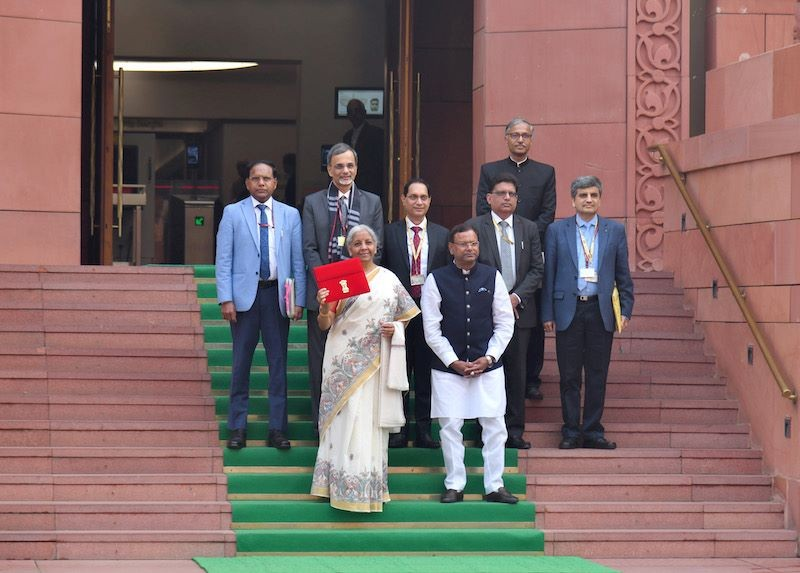
The government has revamped the tax structure under the new regime, with Finance Minister Nirmala Sitharaman announcing that individuals earning up to Rs 12 lakh annually will pay no income tax.
This move, part of the latest Budget, aims to boost disposable income and encourage savings, ultimately driving domestic consumption.
Who Benefits and how?
The Rs 12 lakh exemption applies only to those earning within this threshold. Individuals earning more must follow the slab-wise taxation system. Additionally, with a standard deduction of Rs 75,000 under the new regime, the effective tax-free income rises to Rs 12.75 lakh.
Revised tax slabs
The new structure broadens tax brackets:
- Rs 0-4 lakh: No tax
- Rs 4-8 lakh: 5%
- Rs 8-12 lakh: 10%
- Rs 12-16 lakh: 15%
- Rs 16-20 lakh: 20%
- Rs 20-24 lakh: 25%
- Above Rs 24 lakh: 30%
How tax is calculated
Tax is applied progressively, not as a flat rate on total income. For instance, an individual earning Rs 15 lakh (after the standard deduction) will be taxed as follows:
- Rs 4 lakh: Tax-free
- Rs 4-8 lakh: 5% tax = Rs 20,000
- Rs 8-12 lakh: 10% tax = Rs 40,000
- Rs 12-15 lakh: 15% tax = Rs 45,000
Total tax liability: Rs 1.05 lakh.
Understanding the rebate
Though income up to Rs 12 lakh is taxed per slabs, a full rebate of Rs 60,000 ensures no tax liability for those within this limit. This is an improvement from the previous structure, where tax dues were higher.
New vs. old regime: Which is better?
The old regime allowed exemptions but taxed income above Rs 10 lakh at 30%. Under it, tax liability for Rs 12 lakh income was Rs 1.72 lakh, and for Rs 15 lakh, Rs 2.62 lakh. The new regime offers significant relief, though taxpayers must weigh whether they benefit more from exemptions in the old system.
What does this mean for you?
If you earn up to Rs 12 lakh, the new regime is clearly better (zero tax).
If you earn more than Rs 12 lakh, you’ll need to check whether the exemptions in the old regime (like 80C, HRA) save you more than the lower tax rates in the new regime.
Support Our Journalism
We cannot do without you.. your contribution supports unbiased journalism
IBNS is not driven by any ism- not wokeism, not racism, not skewed secularism, not hyper right-wing or left liberal ideals, nor by any hardline religious beliefs or hyper nationalism. We want to serve you good old objective news, as they are. We do not judge or preach. We let people decide for themselves. We only try to present factual and well-sourced news.
Support objective journalism for a small contribution.