 India-China
New Delhi-Beijing conflict: Indian Navy tracks Chinese research vessel in Indian Ocean
New Delhi: Indian Navy warships constantly tracked a Chinese research vessel which entered the Indian Ocean Region last month, an episode which may further trigger the already tense ties between the two nations, media reports said.
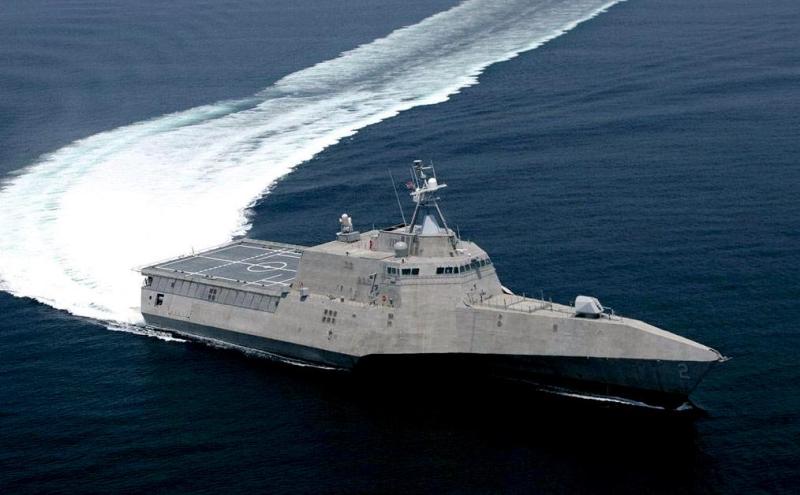
The Yuan Wang class research vessel had entered the Indian Ocean Region from Malacca straits last month. It was constantly tracked by Indian Navy warships deployed there in the region, government sources told ANI.
The Chinese research vessel returned to China a few days ago after being under the constant watch of Indian Navy vessels, the sources told the news agency.
Border conflicts are a permanent fixture of India-China relations, as the countries do not have a marked border but rather the Line of Actual Control, created after the 1962 war between the nations. However, the tensions became more strained as a result of skirmishes between the countries' border forces starting in May.
The tension was further exacerbated by a violent clash between the two sides on 15 June at Galwan Valley in Ladakh in which 20 Indian soldiers and an unknown number of Chinese soldiers were killed.
In order to normalise the situation, the commanders of the regional forces, as well as diplomats from both sides, conducted a series of negotiations resulting in the troops of both countries returning to their initial positions.
Support Our Journalism
We cannot do without you.. your contribution supports unbiased journalism
IBNS is not driven by any ism- not wokeism, not racism, not skewed secularism, not hyper right-wing or left liberal ideals, nor by any hardline religious beliefs or hyper nationalism. We want to serve you good old objective news, as they are. We do not judge or preach. We let people decide for themselves. We only try to present factual and well-sourced news.