 Cancer
Viagra may do more than treat erectile dysfunction—Scientists find potential cancer benefit
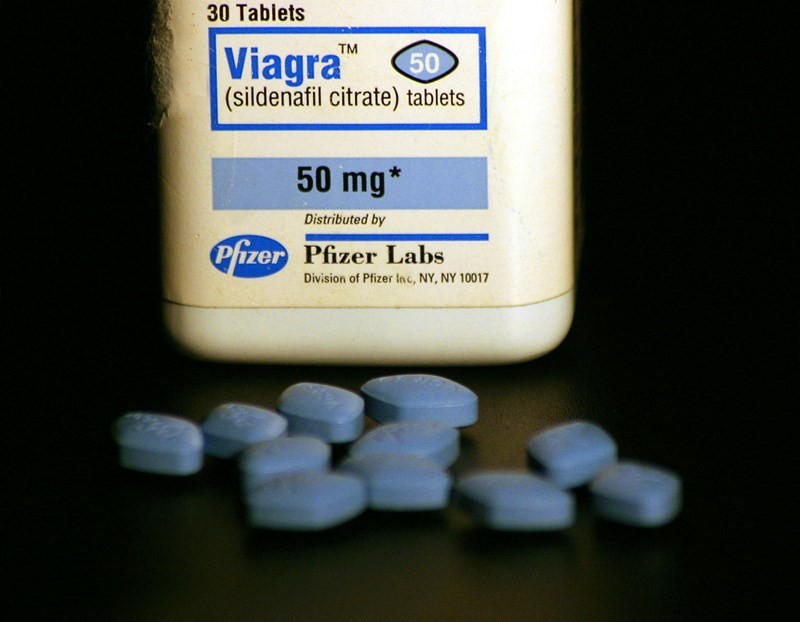
Viagra, one of the world's most widely known treatments for erectile dysfunction, may also help curb the spread of cancer by strengthening a newly discovered cholesterol-regulating mechanism, according to a new study by researchers at the Weizmann Institute of Science.
Originally developed to treat high blood pressure and chest pain caused by reduced blood flow to the heart, Viagra has become the world's best-known medication for erectile dysfunction over the past three decades.
In a study published in the journal Cancer Research, scientists led by Dr. Yarden Ariav in the laboratory of Professor Ayelet Erez found that sildenafil, Viagra's active ingredient, could restrict cancer metastasis through a newly identified biological pathway.
The researchers discovered that sildenafil limits cancer cells' ability to utilise cholesterol, a key component of cell membranes. Cholesterol plays a critical role in enabling cancer cells to detach from the primary tumour, migrate through the body and invade distant organs.
By disrupting cancer cells' access to cholesterol, sildenafil makes it more difficult for them to form metastatic tumours.
The drug achieves this by blocking an enzyme known as phosphodiesterase type 5 (PDE5), which increases levels of the signalling molecule cyclic guanosine monophosphate (cGMP). While elevated cGMP is known to relax blood vessels and improve blood flow—the mechanism behind Viagra's use in treating erectile dysfunction—the researchers found it also binds to a protein responsible for transporting cholesterol within cells.
This interaction reduces the amount of cholesterol available to cells, leaving cancer cells particularly vulnerable because of their high dependence on cholesterol during metastasis.
The team also found that combining sildenafil with statins, a widely prescribed class of cholesterol-lowering drugs, may produce an even stronger anti-metastatic effect. Such a combination could both reduce the availability of existing cholesterol and suppress the body's ability to produce new cholesterol, further limiting cancer cells' capacity to spread.
The international research team included scientists from Professor Eytan Ruppin's laboratory at the U.S. National Cancer Institute, researchers from Clalit Health Services' Innovation Division led by Professor Shay Ben-Shachar, and physicians and scientists from Rabin Medical Center.
The findings were based on experiments involving mouse models, human cancer cell cultures and an analysis of health data collected over two decades from nearly 5 million members of Clalit Health Services.
Consistent with the laboratory findings, analysis of the health records showed significantly improved survival among cancer patients who had taken sildenafil, particularly those who were also using statins.
"We have uncovered a new biological pathway that links a well-known signalling molecule to cholesterol regulation within cells, and shown how this pathway can be harnessed to interfere with the ability of cancer cells to form metastases," said Erez, who also serves as dean of the Miriam and Aaron Gutwirth Medical School at the Weizmann Institute of Science.
"Beyond their therapeutic promise, our findings highlight that cancer biology is shaped not only by mutations in tumour cells but also by the patient's metabolic state and by medications they are already taking for other conditions," she said.
Erez added that the findings underscore the importance of treating the whole patient—not just the cancer—when designing personalised treatment strategies.
Support Our Journalism
We cannot do without you.. your contribution supports unbiased journalism
IBNS is not driven by any ism- not wokeism, not racism, not skewed secularism, not hyper right-wing or left liberal ideals, nor by any hardline religious beliefs or hyper nationalism. We want to serve you good old objective news, as they are. We do not judge or preach. We let people decide for themselves. We only try to present factual and well-sourced news.
Support objective journalism for a small contribution.