 Aviation
Scientists find link between increased aviation turbulence and climate change
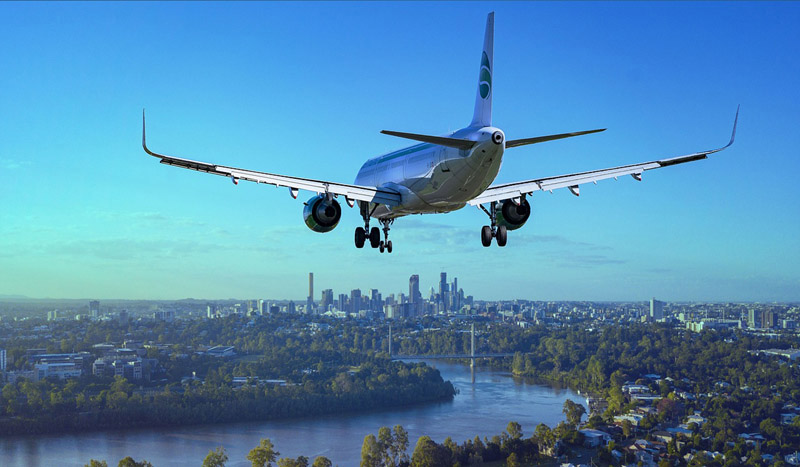
The skies aircraft fly through are bumpier today than four decades ago, scientists have found, after producing a new analysis showing that turbulence has increased as the climate changed.
New research from the University of Reading shows that clear-air turbulence, which is invisible and hazardous to aircraft, has increased in various regions around the world.
At a typical point over the North Atlantic – one of the world’s busiest flight routes – the total annual duration of severe turbulence increased by 55% from 17.7 hours in 1979 to 27.4 hours in 2020, the research found. Moderate turbulence increased by 37% from 70.0 to 96.1 hours, and light turbulence increased by 17% from 466.5 to 546.8 hours.
The team behind the study, which is published today (Thursday, 8 June) in Geophysical Research Letters, say the increases are consistent with the effects of climate change. Warmer air from CO2 emissions is increasing windshear in the jet streams, strengthening clear-air turbulence in the North Atlantic and globally.
PhD researcher Mark Prosser said: "Turbulence makes flights bumpy and can occasionally be dangerous. Airlines will need to start thinking about how they will manage the increased turbulence, as it costs the industry $150–500m annually in the USA alone. Every additional minute spent travelling through turbulence increases wear-and-tear on the aircraft, as well as the risk of injuries to passengers and flight attendants.”
While the USA and North Atlantic have experienced the largest increases, the new study found that other busy flight routes over Europe, the Middle East, and the South Atlantic also saw significant increases in turbulence.
Professor Paul Williams, an atmospheric scientist at the University of Reading who co-authored the study, said: “Following a decade of research showing that climate change will increase clear-air turbulence in the future, we now have evidence suggesting that the increase has already begun. We should be investing in improved turbulence forecasting and detection systems, to prevent the rougher air from translating into bumpier flights in the coming decades.”
Support Our Journalism
We cannot do without you.. your contribution supports unbiased journalism
IBNS is not driven by any ism- not wokeism, not racism, not skewed secularism, not hyper right-wing or left liberal ideals, nor by any hardline religious beliefs or hyper nationalism. We want to serve you good old objective news, as they are. We do not judge or preach. We let people decide for themselves. We only try to present factual and well-sourced news.
Support objective journalism for a small contribution.