


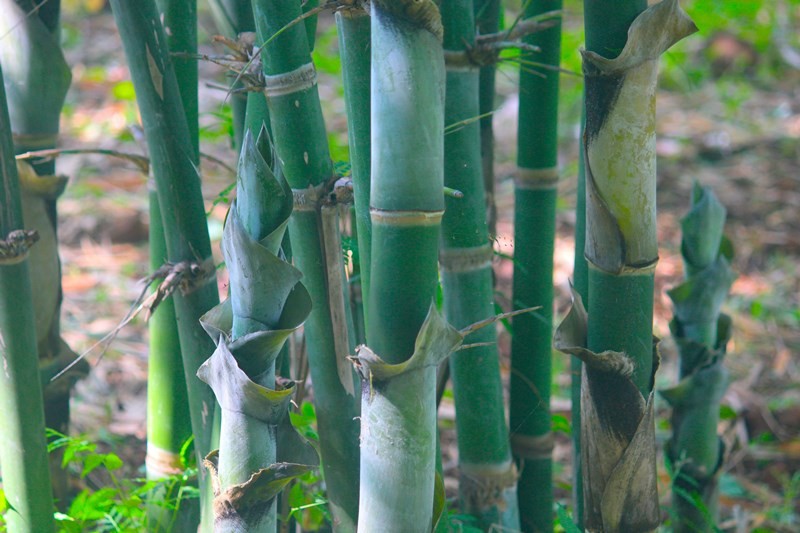
 Bamboo
Doctors are surprised: Bamboo shows incredible superfood potential, shows survey
The world’s first comprehensive academic review of bamboo consumption has identified a wide range of potential health benefits, including improved blood sugar control, reduced inflammation, better gut health and antioxidant effects, researchers said.
Bamboo, the fastest-growing plant on Earth — with some species capable of growing up to 90 centimetres a day — is widely produced in China and India. While bamboo shoots are already a staple in many Asian diets, the new research suggests they could play a larger role in diets worldwide, as per the Anglia Ruskin University (ARU) study.
The review found that bamboo shoots are rich in protein, contain moderate levels of fibre, are low in fat and provide essential nutrients including amino acids, selenium and potassium. They are also a natural source of vitamins such as thiamine, niacin, vitamins A, B6 and E.
The study, conducted by researchers from Anglia Ruskin University (ARU), is the first to systematically analyse all published research on bamboo consumption, covering both human clinical trials (in vivo studies) and laboratory studies on human cells (in vitro studies).
According to the findings, bamboo shoots may help improve metabolic health. Human trials showed better glycaemic control, suggesting a potential role in regulating blood sugar levels, a key factor in diabetes management. Improvements in lipid profiles were also reported, indicating a possible reduction in cardiovascular disease risk.
As a source of dietary fibres including cellulose, hemicellulose and lignin, bamboo was shown to improve bowel function in human participants. Studies also reported increased antioxidant and anti-inflammatory activity, reduced cellular toxicity and improved cell viability following bamboo consumption.
Laboratory studies further demonstrated bamboo’s strong antioxidant properties, high nutritional value and probiotic effects, suggesting it may support gut health by promoting beneficial bacteria.
The review also found that compounds in bamboo can inhibit the formation of furan and reduce acrylamide production — toxic chemicals that can form when foods are fried or roasted — indicating bamboo could be used to improve the safety of processed foods.
However, researchers warned of risks associated with consuming bamboo that has not been properly prepared. Some bamboo species contain cyanogenic glycosides, which can release cyanide if eaten raw. Another study found compounds in bamboo shoots that may interfere with thyroid hormone production, increasing the risk of goitre.
Both risks can be eliminated through proper preparation, including pre-boiling the shoots, the researchers said.
“Bamboo is already commonly eaten in parts of Asia and has significant potential as a healthy and sustainable addition to diets worldwide, but it must be prepared correctly,” the researchers said.
They added that while bamboo shows promise as a potential “superfood”, further research is needed. Only four human studies met the review’s criteria, highlighting the need for additional high-quality clinical trials before firm dietary recommendations can be made.
Support Our Journalism
We cannot do without you.. your contribution supports unbiased journalism
IBNS is not driven by any ism- not wokeism, not racism, not skewed secularism, not hyper right-wing or left liberal ideals, nor by any hardline religious beliefs or hyper nationalism. We want to serve you good old objective news, as they are. We do not judge or preach. We let people decide for themselves. We only try to present factual and well-sourced news.
Support objective journalism for a small contribution.


