


CSE celebrates Earth Day with a call to support environmentalism of the poor
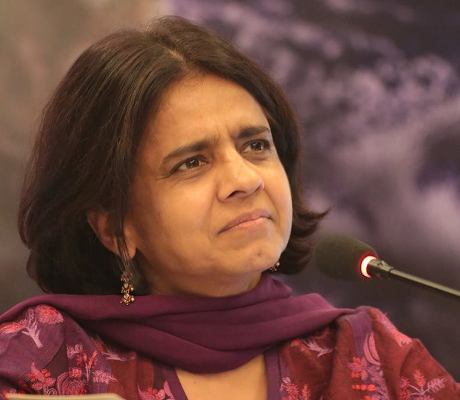
What is the kind of environmentalism that we are practising today? asks Narain who has been listed by TIME magazine as one of the 100 most influential people the world has seen this year.
CSE experts point out that today, virtually all infrastructure and industrial projects—from mining to thermal and hydel and nuclear power to cement or steel—are under attack from communities who fear loss of livelihoods. These communities are at the forefront of India’s environmental movement.
Says Narain: “For them, the environment is not a matter of luxury; it is one of survival. They know that when the land is mined and trees are cut, their water source dries up or they lose grazing and agricultural land. They know they are poor. And they are saying, loudly and as clearly as they can, that what others call development will only make them poorer. This is what I call environmentalism of the poor. This is the environmentalism that we have to practise.”
CSE – under its founder director the late Anil Agarwal, and now under Narain -- has consistently argued that India needs to listen to these voices, not dismiss or stifle them in the name of anti-growth dissent.
This can be done by strengthening the processes of democracy that ensure people have a say in development. In fact, novelist Amitabh Ghosh’s short comment on Narain in the TIME magazine list, says as much: “Narain has... opposed the kind of elite conservationism that blames environmental problems on the poor. Instead she has advocated policies that recognize India’s forest dwellers and indigenous peoples as essential custodians of their environments. Hers is a voice that urgently needs to be heard in this era of climate change.”
CSE points out that there is no doubt we need industrial and infrastructure projects, but these cannot be built against the will of the people. “We will have to reinvent the way we work with people and we will have to reinvent growth in a way that is both affordable and sustainable,” says Narain.
Image: FB page of Sunita Narain
Support Our Journalism
We cannot do without you.. your contribution supports unbiased journalism
IBNS is not driven by any ism- not wokeism, not racism, not skewed secularism, not hyper right-wing or left liberal ideals, nor by any hardline religious beliefs or hyper nationalism. We want to serve you good old objective news, as they are. We do not judge or preach. We let people decide for themselves. We only try to present factual and well-sourced news.
Support objective journalism for a small contribution.


