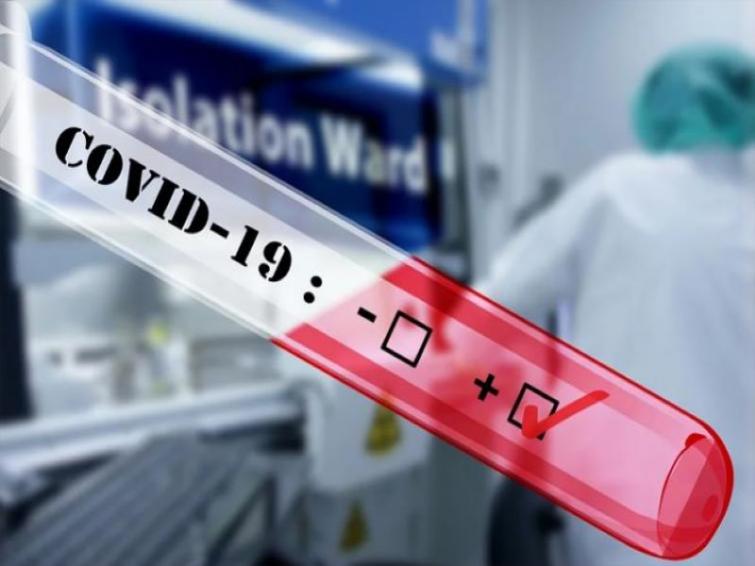
COVID-19: Obese people at higher risk of developing complications
Geneva/UNI: People with obesity and smoking habits are at higher risk of developing complications and even death if they get infected with Covid-19, said Dr Soumya Swaminathan, Chief Scientist of World Health Organization.
Addressing the media on Thursday after second meeting of Global research and Innovation Forum on Covid-19, Dr Swaminathan noted that this disease disproportionately affects people with certain risk underlined condition, including obesity in the young people.
"We have to remember young people are not immune from severe disease or death. Its less common than in older people but they should not become complacent that its fine for young people to get infected. ...Particularly those with obesity, those with habits like smoking, for example, are at higher risk of complication and death," she said.
The Forum met on Wednesday and Thursday. It also concluded that the actual number of infection may be 10 times more than the number of cases detected.
Responding to a question on mortality rate, WHO chief scientist said that in places where sero prevalence studies have been done to look at the prevalence of anti-bodies in the population, it's clear that "the number of people infected is often is about 10 times the number of people who actually get diagnosed as cases."
She said that taking this into account infection mortality rate comes down to 0.6 percent. "infection mortality rate is a much lower number and figure that was presented (in the Forum) was an average of 0.6 per cent. That's much lower than the case mortality rate of five, six of seven percent that we have been talking about."
The number of people infected in the community is not often known. What you know is number of people who get tested. These are those who really get sick, or those who are able to access the testing, she added.
Dr Swaminathan also underlined that while calculating mortality rate countries should divide present number of deaths with number of cases two weeks before. "We know that there is gap between diagnosis and people dying two or three weeks later. To get exact idea of case fatality rate you should divide by the number of cases two weeks ago and not by the number of cases today," she said.
Support Our Journalism
We cannot do without you.. your contribution supports unbiased journalism
IBNS is not driven by any ism- not wokeism, not racism, not skewed secularism, not hyper right-wing or left liberal ideals, nor by any hardline religious beliefs or hyper nationalism. We want to serve you good old objective news, as they are. We do not judge or preach. We let people decide for themselves. We only try to present factual and well-sourced news.
Support objective journalism for a small contribution.