99 per cent of intravenous drug users lack access to health, ‘social services with dignity’ says UNAIDS chief
New York, Mar 14 (IBNS): Despite a decline in new HIV infections globally, a UN report launched on Wednesday highlights that nearly all people who inject drugs live in countries that do not provide suitable harm-reduction service coverage, meaning they are denied adequate access to essential health services.
“UNAIDS is greatly concerned about the lack of progress for people who inject drugs, which is due to the failure of many countries to implement evidence-informed, human rights-based approaches to drug use,” said Michel Sidibé, Executive Director of UNAIDS, the UN agency dedicated to combatting the virus.
The new UNAIDS report, Health, rights and drugs: harm reduction, decriminalization and zero discrimination for people who use drugs, shows that of the 10.6 million who injected drugs in 2016, more than half were living with hepatitis C and one-in-eight with HIV.
Among other things, comprehensive harm reduction services, such as needle–syringe programmes, drug dependence treatment and HIV testing and treatment would “kick-start progress on stopping new HIV infections among people who use drugs”, says the report.
“By putting people at the centre and ensuring that they have access to health and social services with dignity and without discrimination or criminalization,” Sidibé said, “lives can be saved and new HIV infections drastically reduced”.
Few UN Member States have lived up to an agreement made at the 2016 Special Session on the World Drug Problem, to establish effective measures for people who use drugs, according to the agency.
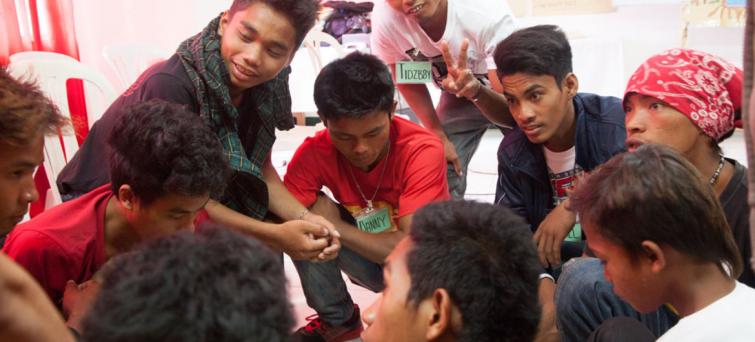
UNAIDS advocates for the full engagement of civil society as an essential source of information and advocacy, especially in places where repressive policies and practices are the norm.
The organization also promotes human rights and health services, targeting harm reduction and HIV services, community-led responses and the removal of drug- and HIV-related stigmas and discrimination.
Support Our Journalism
We cannot do without you.. your contribution supports unbiased journalism
IBNS is not driven by any ism- not wokeism, not racism, not skewed secularism, not hyper right-wing or left liberal ideals, nor by any hardline religious beliefs or hyper nationalism. We want to serve you good old objective news, as they are. We do not judge or preach. We let people decide for themselves. We only try to present factual and well-sourced news.
Support objective journalism for a small contribution.