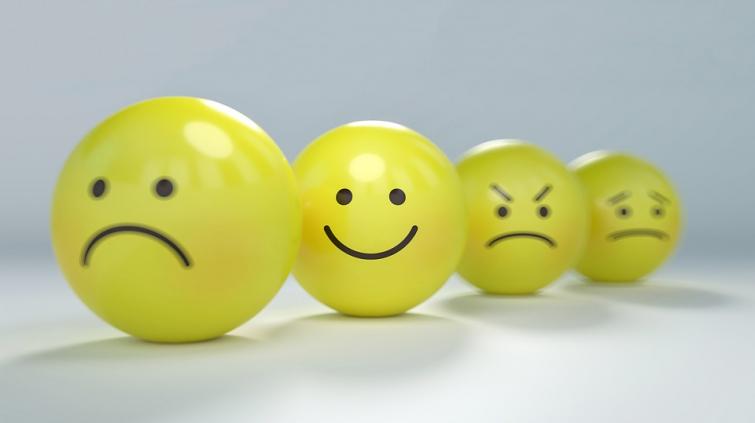
Study shows that anger is more harmful to the health of older adults than sadness
New York, May 10 (IBNS): Anger may be more harmful to an older person’s physical health than sadness, according to a new study published by Concordia researchers. And if that anger increases inflammation, it could lead to such chronic illnesses as heart disease, arthritis and cancer.
”As most people age, they simply cannot do the activities they once did. Or they may experience the loss of a spouse or a decline in their physical mobility and they can become angry,” says PhD candidate Meaghan Barlow, lead author of the study published in the American Psychological Association’s journal Psychology and Aging.
“Our study showed that anger can lead to the development of chronic illnesses, whereas sadness does not.”
Barlow and her co-authors examine whether anger and sadness contributed to inflammation, an immune response by the body to perceived threats such as infection or tissue damage. While inflammation in general helps protect the body and assists in healing, long-lasting inflammation can lead to chronic illnesses in old age, according to the authors.
The researchers collected and analyzed data from 226 older adults ages 59 to 93 from Montreal. They grouped participants as being in early old age, 59 to 79 years old, or advanced old age, 80 years old and older.
Over one week, participants completed short questionnaires about how angry or sad they felt. The authors also measured inflammation from blood samples and asked participants if they had any age-related chronic illnesses.
“We found that experiencing anger daily was related to higher levels of inflammation and chronic illness for people 80 years old and older, but not for younger seniors,” says study co-author Carsten Wrosch, a professor of psychology in Concordia’s Faculty of Arts and Science.
“Sadness, on the other hand, was not related to inflammation or chronic illness.”
Developing coping mechanisms
Sadness may support older seniors to adjust to challenges such as age-related physical and cognitive declines because it can help them disengage from goals that are no longer attainable, says Barlow.
This study showed that not all negative emotions are inherently bad and can be beneficial under certain circumstances.
“Anger is an energizing emotion that can help motivate people to pursue life goals,” Barlow explains.
“Younger seniors may be able to use that anger as fuel to overcome life’s challenges and emerging age-related losses and that can keep them healthier. Anger becomes problematic for adults once they reach 80 years old, however, because that is when many experience irreversible losses and some of life’s pleasures fall out of reach.”
The authors suggest that education and therapy may help older adults reduce anger by regulating their emotions or by offering better coping strategies to manage the inevitable changes that accompany aging.
“If we better understand which negative emotions are harmful, not harmful or even beneficial to older people, we can teach them how to cope with loss in a healthy way,” says Barlow. “This may help them let go of their anger.”
Support Our Journalism
We cannot do without you.. your contribution supports unbiased journalism
IBNS is not driven by any ism- not wokeism, not racism, not skewed secularism, not hyper right-wing or left liberal ideals, nor by any hardline religious beliefs or hyper nationalism. We want to serve you good old objective news, as they are. We do not judge or preach. We let people decide for themselves. We only try to present factual and well-sourced news.
Support objective journalism for a small contribution.