Zika: UN health agency launches database on worldwide virus research
In a press release, the agencies said that PAHO has systematically identified and collected basic information on all investigations related to Zika, both those already published and those on track to be published. The database includes the title, authors, and a direct link to the article.
Each study has been categorized in the areas of virus, vectors and reservoirs; epidemiology; disease pathogenesis and consequences of Zika infection; clinical management; public health interventions; health systems and services response; research and product development; and causality.
Users can also search the database by publication type: published articles, protocol and publication of preliminary results.
The agencies said the search mechanism was created after a group of experts from around the world met in March to discuss a regional agenda to prioritize and coordinate research on Zika. At that meeting, researchers concluded that efforts must be increased to explore unknown factors about microcephaly and other congenital malformations that may be linked to infection by the Zika virus.
Experts analyzed and mapped the gaps in scientific knowledge about the virus, how it affects people, its implications for public health in the Americas, and the Aedes aegypti mosquito, the vector that transmits the disease, the agencies said.
To date, Zika virus is circulating in 34 countries and territories in the Americas. It is transmitted by the bite of an Aedes mosquito, and now has been found to be sexually transmitted. Zika has been associated with congenital malformations such as microcephaly, and neurological complications such as Guillain-Barré syndrome.
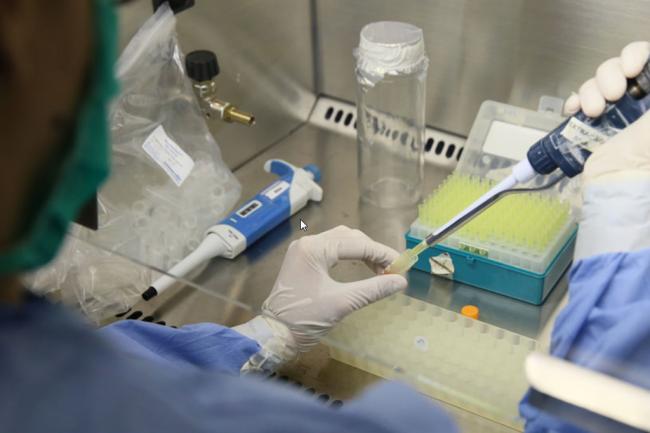
Photo: WHO/PAHO
Support Our Journalism
We cannot do without you.. your contribution supports unbiased journalism
IBNS is not driven by any ism- not wokeism, not racism, not skewed secularism, not hyper right-wing or left liberal ideals, nor by any hardline religious beliefs or hyper nationalism. We want to serve you good old objective news, as they are. We do not judge or preach. We let people decide for themselves. We only try to present factual and well-sourced news.
Support objective journalism for a small contribution.