October 20, 2026 12:56 pm (IST)

Follow us:


UNICEF concerned over education system in CAR
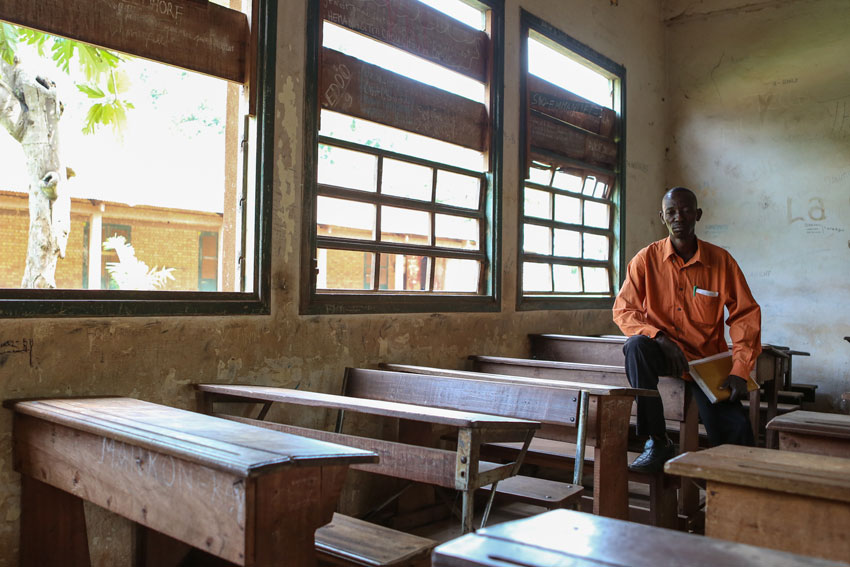
New York, May 10 (IBNS): More than half way through the 12-month school year, almost two thirds of schools in the conflict-ridden Central African Republic (CAR) remain closed, according to a recent survey by the United Nations Children's Fund (UNICEF) and its partners.
“The education system is literally on its knees,” said Souleymane Diabaté, UNICEF Representative in CAR. “Many teachers have not been paid for months; there are no textbooks; the little infrastructure that existed before the crisis has been damaged.”
Fighting in CAR has taken on an increasingly sectarian nature following a 2012 rebel-led coup and has since become more brutal with reports of ongoing human rights violations and reprisal clashes between largely Christian anti-balaka and mostly Muslim Séléka rebels that have displaced hundreds of thousands of people both inside and outside the country, and left 2.2 million in need of humanitarian aid.
The crisis has also disrupted two school years since the end of 2012 and many families are still too scared to send their children back to classes, UNICEF noted in a news release.
The survey carried out in February paints a grim picture. On average, schools have only been open for four weeks since October 2013 due to the destruction of classrooms, the slow return of teachers to duty posts and delayed payment of teachers’ salaries.
A third of the 355 schools surveyed have been attacked in recent months – struck by bullets, set on fire, looted or occupied by armed groups. Meanwhile, enrolment figures dropped drastically – one in three children who were enrolled in the last school year did not return this year.
“Families, homes, stability – so much has been taken from children during this crisis,” said Diabaté. “They cannot be robbed of education, their best hope for a better and more peaceful future.”
UNICEF is supporting the Ministry of Education’s efforts to provide school supplies, restore looted schools and offer teacher training.
In areas where insecurity has hindered the resumption of educational activities, including the capital Bangui, UNICEF and partners set up nearly 120 temporary learning spaces where up to 23,000 children and adolescents have the opportunity to learn, play and receive psychosocial support.
UNICEF’s education programmes remain grossly underfunded, the agency warned. Only USD 3 million has been received so far out of a total USD 10 million needed to help children resume their learning.
(Marc Tamara, French teacher at the Etat des Rapides High School in Guango after it was looted. ©UNICEFRCA/Matas/2013)
Support Our Journalism
We cannot do without you.. your contribution supports unbiased journalism
IBNS is not driven by any ism- not wokeism, not racism, not skewed secularism, not hyper right-wing or left liberal ideals, nor by any hardline religious beliefs or hyper nationalism. We want to serve you good old objective news, as they are. We do not judge or preach. We let people decide for themselves. We only try to present factual and well-sourced news.
Support objective journalism for a small contribution.
Latest Headlines
India–New Zealand free trade agreement takes effect on October 20
Mon, Oct 19 2026
Ecuador: Priest dies after giant crucifix falls on him during mass, video goes viral
Sun, Oct 18 2026
Planning a Bali trip? Fuel shortage triggers odd-even rule, Indian tourist shares nightmare
Sat, Oct 17 2026
Air France bans Pakistani pilots from Israel flights after security crackdown; United Airlines follows suit
Wed, Oct 14 2026
flydubai cockpit attack probe widens: Two Maldivian pilots detained in UAE over links to Omani co-pilot
Wed, Oct 14 2026