

 Red Sea
UN trade and development body warns Red Sea shipping crisis is having a ‘dramatic’ impact
Attacks against shipping in the Red Sea by Houthis are devastating for global trade and supply chains, already reeling under the impacts of the war in Ukraine and climate change-linked conditions in the Panama Canal, said the UN trade and development body, UNCTAD, on Thursday.
According to Jan Hoffmann, Chief of Trade Logistics at UNCTAD, the attacks are not only adding to geopolitical tensions but also raising costs and leading to increased greenhouse gases (GHG) emissions.
“Maritime transport is really the lifeline of global trade,” he said, speaking to journalists at UN Headquarters in New York via video link from Geneva.
“These disruptions underline their vulnerability to geopolitics, tensions, and climate changes.”
Attacks and counter strikes
Also known as Ansar Allah, Houthi rebels control large parts of Yemen, including the Red Sea coast.
Since November, they have intensified attacks against ships passing through the narrow waters towards the Suez Canal, claiming they have been targeting those heading to Israeli ports.
In response, the United States, United Kingdom and other countries launched airstrikes against the group at sea and now on land, further increasing tensions in the region.
A crucial link
The Suez Canal is a vital link for international shipping and accounts for between 12 and 15 per cent of global trade and about 20 per cent of container trade.
Disruptions there have a catastrophic, cascading effect worldwide, as seen during the March 2021 grounding of the vast Ever Given container ship that blocked the waterway for days.
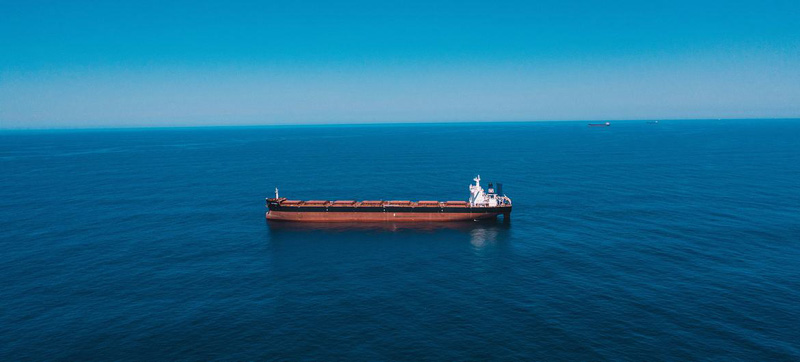
Given the risk of attacks, ships are avoiding the route, traveling along the much longer passage around the southern tip of Africa.
Container ship transits are down 67 per cent compared to a year ago. The largest impact is on liquefied natural gas (LNG) carriers, which have stopped altogether since 16 January, according to UNCTAD.
Prior to the crisis, normally two or sometimes three gas carriers used to pass through the region daily.
Global shipping in crisis
The challenges come on the back of pre-existing disruptions to global trade caused by the war in Ukraine and the abnormally low water levels in the Panama Canal due to climate change impacts.
Low water levels have caused a decrease of 36 per cent in ship transits compared to a year ago and are almost 62 per cent down on two years ago.
The impacts have been “dramatic”, Hoffmann said, pointing to a surge in average container spot rates.
Average shipping cost rates from Shanghai have more than doubled since early December 2023, those to Europe over tripled and those to the US west coast also increased “even though they don’t go through the Suez Canal”.
“We are seeing multiple impacts,” he highlighted, warning of rising costs, potential inflation, global delays and disruptions and worsening of climate change contributors.
Support Our Journalism
We cannot do without you.. your contribution supports unbiased journalism
IBNS is not driven by any ism- not wokeism, not racism, not skewed secularism, not hyper right-wing or left liberal ideals, nor by any hardline religious beliefs or hyper nationalism. We want to serve you good old objective news, as they are. We do not judge or preach. We let people decide for themselves. We only try to present factual and well-sourced news.
Support objective journalism for a small contribution.