UN agency to train dozens of experts on nuclear-related techniques to identify Zika
The International Atomic Energy Agency (IAEA) said that “early, fast and accurate detection” is crucial to managing outbreaks of the Zika virus which has been associated with serious birth defects and neurological disorders in adults.
“The training includes practical and epidemiological simulations, and will help prepare national laboratories to quickly differentiate Zika from other similar viruses, such as dengue and chikungunya,” said IAEA Deputy Director General for Nuclear Sciences and Applications Aldo Malavasi.
The training, which will include more than 36 participants from 26 countries, will be held at the IAEA laboratories in Seibersdorf, Austria. The participants are from laboratories affiliated with national health authorities, and will be expected to share their knowledge at home.
They will learn how to use the Reverse Transcription Polymerase Chain Reaction (RT-PCR) technique, and to apply the procedures recommended by the UN World Health Organization (WHO) and the United States Centers for Disease Control and Prevention for the detection of Zika.
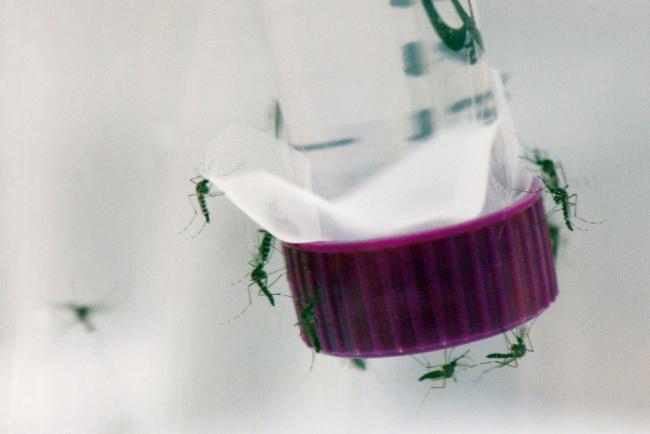
Photo: IAEA/Dean Calma
Support Our Journalism
We cannot do without you.. your contribution supports unbiased journalism
IBNS is not driven by any ism- not wokeism, not racism, not skewed secularism, not hyper right-wing or left liberal ideals, nor by any hardline religious beliefs or hyper nationalism. We want to serve you good old objective news, as they are. We do not judge or preach. We let people decide for themselves. We only try to present factual and well-sourced news.
Support objective journalism for a small contribution.