


To combat hunger, UN agency launches initiative for sustainable use of world,s oceans
Speaking at an event on the side-lines of the General Assembly in New York, Food and Agriculture Organization (FAO) Director-General José Graziano da Silva urged faster action in implementing sustainable practices to protect the world’s “blue economy.”
“We have the know-how, we have the opportunity,” emphasized Graziano da Silva. “Now is the time to act.”
The event, “Our Ocean: Next Steps on Sustainable Fishing and Marine Protected Areas,” brought Graziano da Silva together with other leaders, including United States Secretary of State John Kerry, to discuss the importance of the world’s marine environments, both for the health of the planet and for the well-being of those who depend on them.
According to FAO, the livelihoods of 12 per cent of the world’s population depend on the fishing sector. On average, 17 per cent of global animal protein intake comes from fisheries and aquaculture, and demand for fish protein is expected to double in the next 20 years. Yet some 28 per cent of global stocks are already overfished.
In its latest report, The State of World Fisheries and Aquaculture, the Rome-based organization warned that the fisheries and aquaculture sector was, in fact, facing major challenges, ranging from harmful fishing practices and weak governance to poor management and illegal, unreported and unregulated fishing.
In response, Graziano da Silva pointed to FAO’s new “Blue Growth” initiative which, he said, had “the potential to be a leading programme on the major issues related to oceans and their resources.”
This new initiative would seek to provide technical and capacity-building support to governments, particularly those of vulnerable small island developing States, and farmers to develop national strategies for aquaculture development; disseminate and adopt better management and governance policies and best practices that increase productivity; and reduce environmental and disease risk to stimulate investment.
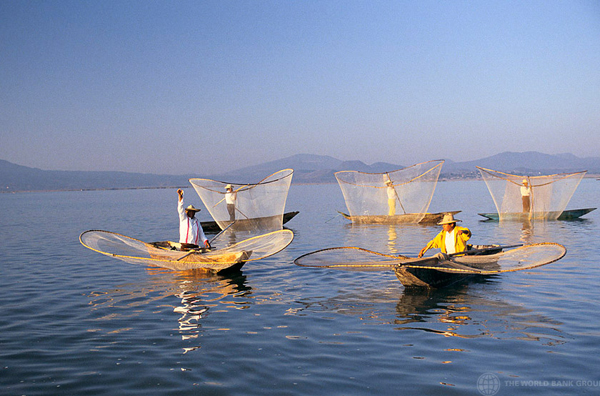
Photo: World Bank/Curt Carnemark
Support Our Journalism
We cannot do without you.. your contribution supports unbiased journalism
IBNS is not driven by any ism- not wokeism, not racism, not skewed secularism, not hyper right-wing or left liberal ideals, nor by any hardline religious beliefs or hyper nationalism. We want to serve you good old objective news, as they are. We do not judge or preach. We let people decide for themselves. We only try to present factual and well-sourced news.
Support objective journalism for a small contribution.


