Remembering on Rwanda, Ban urges a firm stand against hate speech
In his message for the International Day of Reflection on the Genocide in Rwanda, the Secretary-General noted that genocide is not a single event, and part of a process that takes time and preparation.
“One of the key warning signs is the spread of hate speech in public discourse and the media that targets particular communities,” Ban said, noting this year’s theme for the Day, ‘Fighting Genocide Ideology.’
He urged Governments, the judiciary and civil society to “stand firm against hate speech and those who incite division and violence.”
With a nod to the instability ongoing in parts of the Great Lakes, he urged taking inspiration from survivors’ courage in showing that reconciliation is possible even after such a tragedy.
“With the Great Lakes region still facing serious threats to peace and security, healing and reconstruction remain essential,” he said.
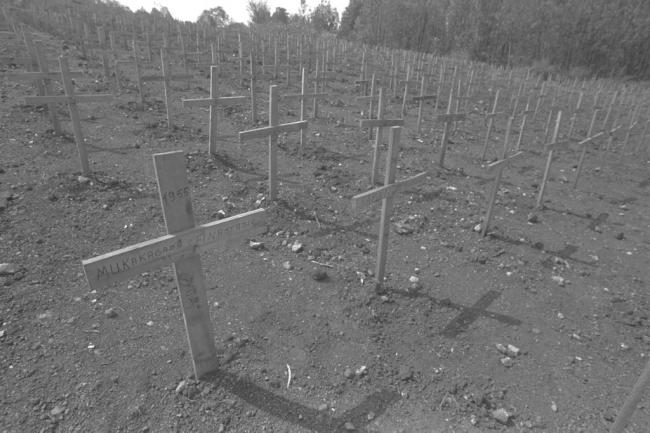
In 1994, more than 800,000 people were systematically murdered throughout Rwanda. The vast majority were Tutsi, but moderate Hutu, Twa and others were also targeted.
The Secretary-General will join survivors of the genocide in Rwanda and the Holocaust next week, when the United Nations officially marks the Day of Reflection on Monday, 11 April.
This will be one of numerous events underway over the course of the next 100 days, which is the length of time that the genocide was underway. The commemoration will end on 4 July, which is Rwanda’s “Liberation Day.”
Photo: UNICEF/Giacomo Pirozzi
Support Our Journalism
We cannot do without you.. your contribution supports unbiased journalism
IBNS is not driven by any ism- not wokeism, not racism, not skewed secularism, not hyper right-wing or left liberal ideals, nor by any hardline religious beliefs or hyper nationalism. We want to serve you good old objective news, as they are. We do not judge or preach. We let people decide for themselves. We only try to present factual and well-sourced news.
Support objective journalism for a small contribution.