


LGBT detainees suffer higher rates of violence, states new UN report
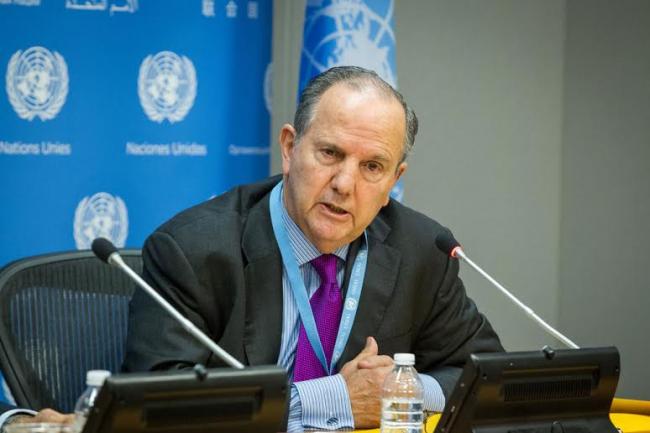
“Gender stereotypes still cause us to downplay the suffering of women, girls, and lesbian, gay, bisexual, transgender and intersex people and sometimes even acquiesce in it,” Juan E. Méndez, the UN Special Rapporteur on torture, said on Wednesday.
The report to the Human Rights Council looks at gender-based violence through the prism of the Convention against Torture, and highlights a tendency to regard violations against these groups as “ill-treatment” even where they would more appropriately be defined as “torture.”
The human rights expert pointed to the clear link between the criminalization of LGBT people and the violence and stigma these groups face. At least 76 countries have laws criminalizing consensual same-sex relationships between adults, he said.
“States are complicit in the violence women and LGBT groups face if they implement discriminatory laws that trap these people in a spiral of abuse,” Méndez stressed.
Under Argentina’s military dictatorship in the 1970s torture was widespread – and many thousands were “disappeared”. A courageous lawyer was among those who suffered – but on Wednesday he’s campaigning to end torture worldwide. Credit: UN TV
Focusing on detention conditions, the report quotes studies that say women make up between 2 per cent and 9 per cent of the prison population in most of the world’s prisons. Of those, up to 80 per cent are mothers and yet most jails are typically designed for men.
The expert recommends that non-custodial sanctions be given to help protect women, in particular mother and child, since the majority of crimes committed by women tend to be non-violent in nature.
Denial of safe abortion services can also amount to torture or ill treatment in some cases, where the life of the mother is endangered, or the pregnancy is the result of rape and incest, he said, urging States to reform their laws in this respect.
Domestic violence is far more prevalent than most people realise, said the rapporteur, citing an estimate that 35 per cent of women worldwide have experienced domestic violence of various kinds. Societal indifference, discriminatory laws and attitudes and a culture of impunity exacerbate problems like this, he said.
“States must finally implement their heightened obligation to prevent and combat gender-based violence and discrimination perpetrated by both State and private actors against women, girls and persons who transgress sexual and gender norms,” he stressed.
Independent experts or special rapporteurs are appointed by the Geneva-based UN Human Rights Council to examine and report back on a country situation or a specific human rights theme. The positions are honorary and the experts are not UN staff, nor are they paid for their work.
UN Photo/Loey Felipe
Support Our Journalism
We cannot do without you.. your contribution supports unbiased journalism
IBNS is not driven by any ism- not wokeism, not racism, not skewed secularism, not hyper right-wing or left liberal ideals, nor by any hardline religious beliefs or hyper nationalism. We want to serve you good old objective news, as they are. We do not judge or preach. We let people decide for themselves. We only try to present factual and well-sourced news.
Support objective journalism for a small contribution.


