 Iran
Iran
Iranian Police resume patrols to enforce strict dress code, prompting controversy and backlash
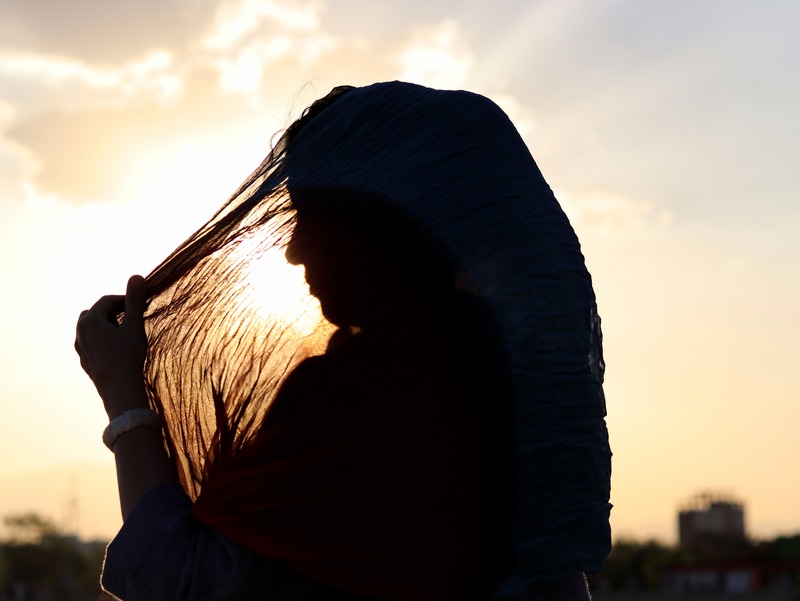
The Iranian police have resumed patrols to crack down on women who defy the strict dress code by leaving their hair uncovered in public. This move comes precisely 10 months after the death of Mahsa Amini, a 22-year-old Iranian-Kurd whose tragic demise while in custody sparked widespread nationwide protests.
Following, the morality police largely vanished from the streets, and an increasing number of women began openly flouting the dress code.
Although the morality police had withdrawn from their prominent role, the authorities implemented alternative measures to ensure compliance. These measures included the closure of businesses whose employees failed to adhere to the dress code and the installation of surveillance cameras in public areas to identify offenders, stated AFP.
However, as of Sunday, traditional enforcement methods are being reintroduced, as reported by state media.
Car and foot patrols will now be deployed by the police to issue warnings, take legal measures, and refer individuals who disobey police orders and disregard the consequences of dressing against the established norms to the judiciary, according to police spokesman Saeed Montazer Almehdi, as quoted by the official IRNA news agency.
Disturbing images circulating online depict female police officers, dressed in all-black chadors, admonishing and apprehending women who have chosen not to cover their heads. The authenticity of these images could not be independently verified by AFP.
The dress code, which mandates women to cover their head and neck in public, has been in effect since the aftermath of the Islamic revolution of 1979. Violators of the code can face fines or imprisonment for up to two months.
Recent reports from Iran's reformist newspaper Shargh indicate that four women have received additional penalties, including mandatory attendance in "psychological classes" and driving bans.
While the conservative factions, which hold sway over Iran's parliament and leadership, staunchly defend the dress code, there has been growing demand for change among many Iranians.
In May, the judiciary and government proposed the controversial "Support for the Culture of Hijab and Chastity" bill, which stirred heated debate within the country. The bill suggests imposing higher fines for individuals who remove their veil in public places or on the internet, but it removes the threat of imprisonment.
Iran remains deeply divided on the issue of the hijab, with sociologist Abbas Abdi noting that there is no consensus within the leadership. Some favor repressive measures, while others believe alternative approaches should be explored.
In response to the protest movement, the United States, Britain, and the European Union have imposed multiple rounds of sanctions on Iran. These measures aim to address concerns regarding Iran's handling of the protests.
Support Our Journalism
We cannot do without you.. your contribution supports unbiased journalism
IBNS is not driven by any ism- not wokeism, not racism, not skewed secularism, not hyper right-wing or left liberal ideals, nor by any hardline religious beliefs or hyper nationalism. We want to serve you good old objective news, as they are. We do not judge or preach. We let people decide for themselves. We only try to present factual and well-sourced news.
Support objective journalism for a small contribution.