October 20, 2026 12:57 pm (IST)

Follow us:


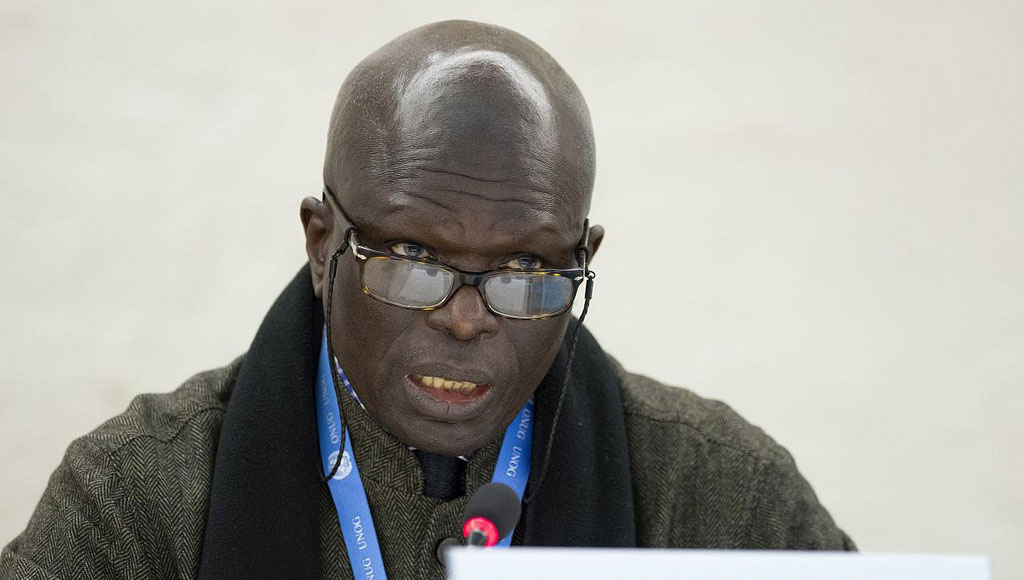
Cote d'Ivoire: UN urges consultations on reforming electoral commission
New York, Apr 24 (IBNS): A United Nations human rights expert on Wednesday called on authorities in Cote d'Ivoire to undertake broad consultations on the reform of the Independent Electoral Commission (IEC) to prevent the country from "falling back into crisis."
The call by Doudou Diène, the Independent Expert on the situation of human rights in Côte d’Ivoire, follows the recent adoption by the Government of a bill on the IEC’s composition, organization, powers and functioning, in response to a specific recommendation from the expert.
“The adoption of the draft bill on the reform of the Electoral Commission constitutes an important initial step in the consolidation of democracy in Côte d’Ivoire,” Diène stated in a news release. “This reform must contribute to the national reconciliation process and reinforce the re-launching of the political dialogue.”
He noted that the IEC will be in charge of the 2015 presidential elections, which should constitute “the ultimate test” of sustainable democratic reconstruction and reconciliation.
A 2010 presidential election, meant to be the culmination of the peace process in the West African country that was split by civil war in 2002, resulted in months of violence when Laurent Gbagbo refused to step down after losing to Alassane Ouattara. Gbagbo finally surrendered the following April.
Ahead of next year’s polls, Diène has stressed the need to overhaul the IEC, saying that it does not reflect the reality of the political landscape of Côte d’Ivoire.
“If there is to be a resurgence of a dialogue in Côte d’Ivoire, the fundamental institutional problems that resulted from the elections must be resolved,” he stated. “Consensus must be reached on the mapping of electoral districts, on voters’ lists and on the composition of the Independent Electoral Commission.”
To consolidate “the democratic dynamic” currently under way and create conditions conducive to the holding of peaceful and credible presidential polls, he also highlighted the need to continue the inter-Ivorian dialogue and establish a legal status for the political opposition.
“The bill on the reform of the Electoral Commission, expressing the Government’s view, should be submitted to broad and open consultations with all the political actors and civil society representatives,” he stressed.
“The democratic and consensual reform of the IEC constitutes the most credible test, to the Ivorian people and the international community, of the willingness and the ability of the Ivorian politicians to draw all the political and moral lessons of the crisis and to build together national reconciliation.”
Independent experts or special rapporteurs are appointed by the Geneva-based Human Rights Council to examine and report back on a country situation or a specific human rights theme. The positions are honorary and the experts are not UN staff, nor are they paid for their work.
(Independent Expert on human rights in Côte d’Ivoire Doudou Diène. Photo: Jean-Marc Ferré)
Support Our Journalism
We cannot do without you.. your contribution supports unbiased journalism
IBNS is not driven by any ism- not wokeism, not racism, not skewed secularism, not hyper right-wing or left liberal ideals, nor by any hardline religious beliefs or hyper nationalism. We want to serve you good old objective news, as they are. We do not judge or preach. We let people decide for themselves. We only try to present factual and well-sourced news.
Support objective journalism for a small contribution.
Latest Headlines
India–New Zealand free trade agreement takes effect on October 20
Mon, Oct 19 2026
Ecuador: Priest dies after giant crucifix falls on him during mass, video goes viral
Sun, Oct 18 2026
Planning a Bali trip? Fuel shortage triggers odd-even rule, Indian tourist shares nightmare
Sat, Oct 17 2026
Air France bans Pakistani pilots from Israel flights after security crackdown; United Airlines follows suit
Wed, Oct 14 2026
flydubai cockpit attack probe widens: Two Maldivian pilots detained in UAE over links to Omani co-pilot
Wed, Oct 14 2026