


Canada: Most First nations' families do not have access to childhood development program
Ottawa, Feb 20 (IBNS): The federal program designed in 2003 for early childhood development on First Nations was accessible only to 18 to 19 percent of eligible First Nations children across the country, media reports said.
Information provided by the Indigenous Services department also reportedly said that its services were unavailable to First Nations children with special needs.
The federal program designed to provide support for families living on reserve and to help young children prepare for school was having many shortcomings.
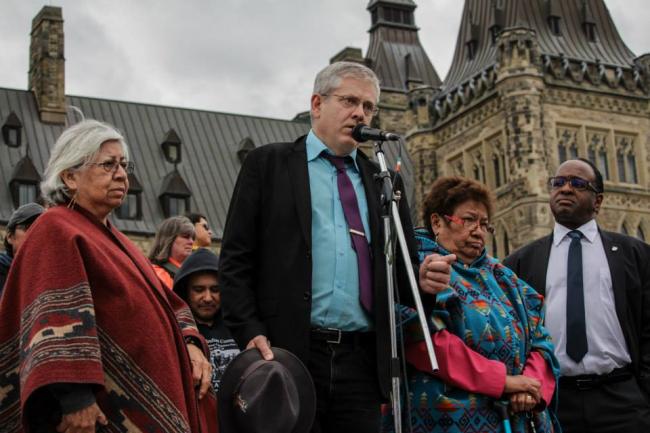
"The flagship program the government always talks about helping young moms and babies on-reserve is completely underfunded and broken," said NDP MP Charlie Angus, who obtained the information through an Order Paper question.
"Young babies with special needs can't get access and many of the locations where they are providing these services are substandard."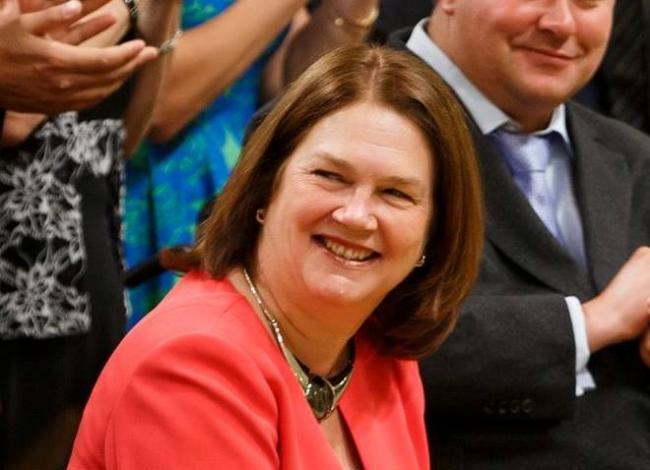
There were reportedly long wait lists for the First Nations Children to access the program due to several factors including population growth, stagnant funding, a lack of trained staff, lack of proper equipment and accessibility, lack of proper infrastructure in housing the program, said the federal Indigenous Services department and added "which may erode service delivery and quality over time."
Early childhood development was the prerequisite, said Angus to end the child welfare crisis in First Nation communities.
"It is part of the larger perverse funding mechanism the government has. They continually and chronically underfund these programs and then they seem surprised these kids grow up without an opportunity for education, and then are taken into the child welfare system." Angus was reported to state.
Indigenous Services Minister Jane Philpott's office had reportedly invested $38 million last year for repairs and renovations at Head Start facilities and had issued the following statement:
"Our government is committed to ensuring that Indigenous children receive the services they need, when and where they need them."
In the 2016-2017 fiscal year also the federal government had reportedly allocated $12.8 million for urgent repairs and renovations for 70 facilities that house on-reserve Head Start programs across the country.
New Indigenous Early Learning Child Care Framework would also reportedly receive at least $130 million annually over the next 10 years under the federal government's $7-billion investment in early learning and child care.
Funding and access problems with the Aboriginal Head Start on Reserve program have been known for some time.
A Health Canada memo -- drafted after the Canadian Human Rights Tribunal ruled that Ottawa discriminated against First Nations children by underfunding child welfare services -- from January 2016 stated that the program failed to provide a level of assistance "comparable to that which is available to the general population."
The memo stated that at the time only 17 percent of First Nations children living on-reserve benefited from the program.
The department had recently finalised talks with "Indigenous partners" to increase "Indigenous control and influence over governance, programming and delivery" of early childhood learning services.
Discussion of increased funding, service enhancement and expansion by the department reportedly was also in process.
The Star Blanket Cree Nation in Saskatchewan opened a new Head Start building last month.
Ottawa provided $700,000 for the new building to house the Coweneska Head Start Learning Centre.
First Nations and Inuit health services once provided by Health Canada are now delivered by Indigenous Services.
(Reporting by Asha Bajaj, Images: Charlie Angus/Facebook,Jane Philpott/Facebook page)
Support Our Journalism
We cannot do without you.. your contribution supports unbiased journalism
IBNS is not driven by any ism- not wokeism, not racism, not skewed secularism, not hyper right-wing or left liberal ideals, nor by any hardline religious beliefs or hyper nationalism. We want to serve you good old objective news, as they are. We do not judge or preach. We let people decide for themselves. We only try to present factual and well-sourced news.
Support objective journalism for a small contribution.


