 Cambodia
Cambodia: National elections ‘extremely disconcerting’, say human rights experts
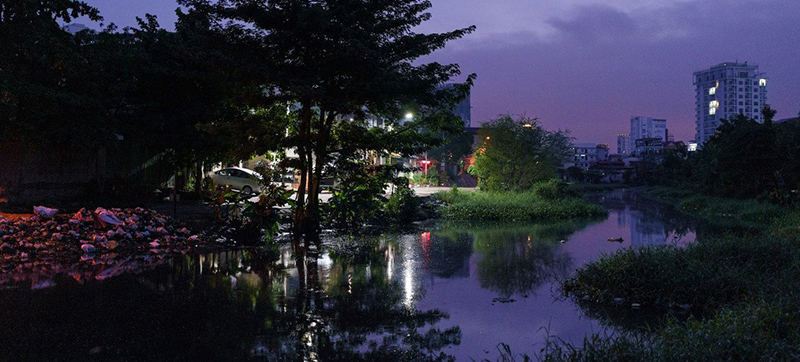
New York: The lead-up to, and the results of, the recent elections in Cambodia are “extremely disconcerting”, UN human rights experts said on Wednesday, adding that the credibility of the entire electoral process was affected.
Cambodians went to the polls on 23 July, amid shrinking civic and political space, including a ban on the main opposition party, media restrictions and harassment of perceived opponents of the ruling elite, UN Human Rights Council-appointed independent experts said.
“As a result, the national elections were very unbalanced and raised major concerns for the international community,” they said in a news release.
The experts, including Vitit Muntarbhorn, Special Rapporteur on human rights in the country, warned that the shrinking democratic space and repressive practices linked to Cambodia’s political leadership seriously undermined human rights and liberal democracy under its international obligations and the Paris Peace Agreements.
The October 1991 accords ended the conflict in the Southeast Asian nation. They also provided for the withdrawal of foreign forces, cessation of outside military assistance and national reconciliation.
Abide by international obligations
“Cambodia’s new government must abide by its international human rights obligations and the Paris Peace Agreements and address an array of serious human rights violations – old and new – which impede sustainable and inclusive development in the country,” the UN experts said.
They added that Cambodia’s human rights record will be considered by the UN Human Rights Council later this year, bringing the country’s 2022 commune elections and 2023 national elections into international focus.
“Thirty years since peace was assured by the Paris Peace Agreements, a major obstacle remains the failure to ensure and protect human rights and the systemic undermining of democratic principles,” they said.
Call for international vigilance
With the Prime Minister of Cambodia expected to transfer power to his eldest son in the near future, the international community must remain vigilant and prepare a cohesive international response to the country’s democratic crisis, the experts said.
In addition to the Special Rapporteur on the situation of human rights in Cambodia, the experts joining the call included the Special Rapporteurs on promotion of truth, justice, reparation and guarantees of non-recurrence; on the rights to freedom of peaceful assembly and of association; on contemporary forms of slavery; on the rights of internally displaced persons; on independence of judges and lawyers; on the rights of persons with disabilities; and the Working Group on enforced or involuntary disappearances.
Independent experts
The Special Rapporteurs, Independent Experts, and Working Groups are part of what is known as the Special Procedures of the Human Rights Council.
The experts are mandated to monitor and report on specific thematic issues or country situations and work on a voluntary basis. They serve in their individual capacity, are not UN staff and do not receive a salary.
Support Our Journalism
We cannot do without you.. your contribution supports unbiased journalism
IBNS is not driven by any ism- not wokeism, not racism, not skewed secularism, not hyper right-wing or left liberal ideals, nor by any hardline religious beliefs or hyper nationalism. We want to serve you good old objective news, as they are. We do not judge or preach. We let people decide for themselves. We only try to present factual and well-sourced news.
Support objective journalism for a small contribution.