 Ladakh
Ladakh to launch India's first high-altitude wildlife safari; spot snow leopards like never before
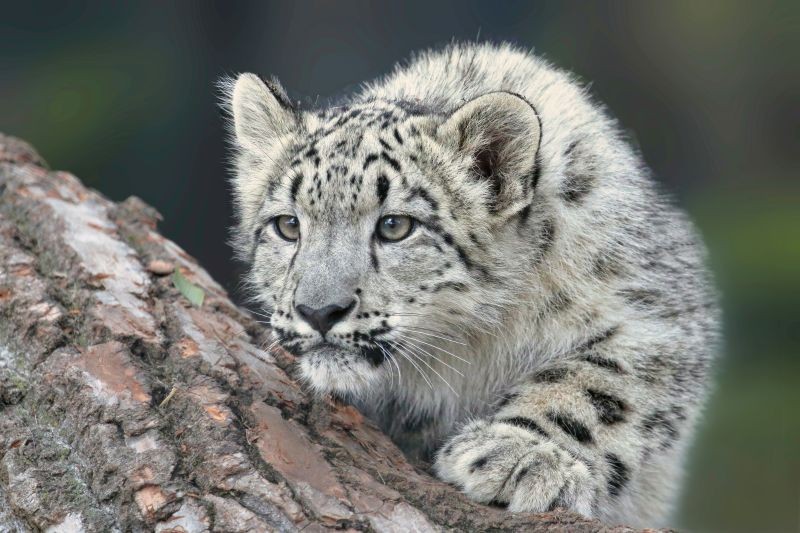
Ladakh is set to launch India's first-ever high-altitude wildlife safari, offering visitors a rare opportunity to witness the Union Territory's unique ecosystem, including the elusive snow leopard, under a new eco-tourism initiative.
According to an official statement, Lieutenant Governor Vinai Kumar Saxena has approved the introduction of guided wildlife safaris on popular snow leopard and birdwatching trails across Ladakh's high-altitude regions.
The Lieutenant Governor has directed the Forest Department to introduce guided Jeep safaris, modelled on those operating in renowned national parks such as Kaziranga and Ranthambore. The safaris will use specially designed open-back vehicles and will be operated by trained local drivers and guides.
Promoting responsible tourism
The initiative aims to curb illegal off-roading and minimise disturbances to wildlife while promoting sustainable and eco-friendly tourism. It is also expected to enhance visitors' experience by providing structured, guided access to Ladakh's fragile natural habitats.
Glad to announce India’s first-ever High-Altitude Wildlife Safari in Ladakh!
— LG Ladakh (@lg_ladakh) August 6, 2026
In the first Governing Body meeting of the newly formed Snow Leopard & High-Altitude Nature (SHAN) Conservation Society, approved introducing guided Jeep safaris on popular snow-leopard and… pic.twitter.com/28AGyySM77
The decision was taken during the first governing body meeting of the newly constituted Snow Leopard and High-Altitude Nature (SHAN) Conservation Society, chaired by LG Saxena.
Proposed safari routes
The Forest Department has been directed to explore safari routes across Hemis National Park, Changthang Wildlife Sanctuary, Karakoram Wildlife Sanctuary, as well as wildlife-rich regions including Nubra, Zanskar, Sham, Kargil, and Drass—all known for their snow leopard population and rich birdlife.
As part of the initiative, 20 local youths will be selected and trained in birdwatching, bird identification and bird-spotting techniques. They will also be provided with equipment such as binoculars. Additionally, 10 birdwatching hides will be established at key birding hotspots across the region.
Home to India's largest snow leopard population
Ladakh is home to 477 of India's estimated 718 snow leopards, making it the country's most important habitat for the endangered big cat.
The region also supports more than 38 mammal species, 340 bird species, and around 1,800 vascular plant species, making it one of India's richest biodiversity hotspots and a major draw for nature enthusiasts.
Community-led conservation model
The SHAN Conservation Society, constituted by the Lieutenant Governor on June 16, aims to develop a comprehensive roadmap for community-led wildlife conservation, responsible tourism, waste management, plastic-free tourism, and sustainable livelihood generation across Ladakh.
The initiative envisions a conservation model in which local communities play an active role alongside the government in protecting Ladakh's fragile ecosystem while benefiting economically from eco-tourism.
"This will instil a sense of custodianship among the people while creating sustainable livelihood opportunities for them," the statement said.
Highlighting the importance of community participation, LG Saxena described Ladakh's unique wildlife and fragile high-altitude ecosystem as the region's greatest natural asset.
"Through SHAN, we are creating a model that integrates wildlife conservation, responsible eco-tourism, environmental education, empowering local communities and creating sustainable livelihoods for them. These efforts aim at conserving Ladakh's natural heritage so that future generations inherit an ecosystem that is richer, healthier and more resilient. Our vision is to establish Ladakh as a global example of community-led conservation and responsible high-altitude mountain tourism," Saxena said.
Support Our Journalism
We cannot do without you.. your contribution supports unbiased journalism
IBNS is not driven by any ism- not wokeism, not racism, not skewed secularism, not hyper right-wing or left liberal ideals, nor by any hardline religious beliefs or hyper nationalism. We want to serve you good old objective news, as they are. We do not judge or preach. We let people decide for themselves. We only try to present factual and well-sourced news.