


Widows’ eviction highlights Tanzania’s discriminatory laws: UN experts
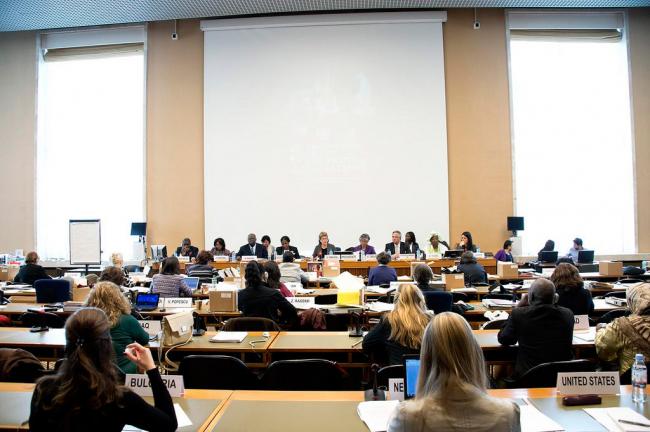
The Geneva-based Committee on the Elimination of Discrimination against Women (CEDAW) issued its call after considering a complaint by the women, who under local customary laws could not inherit upon their respective husband’s death and were subsequently evicted from their homes by their in-laws.
In 2005, the women, referred to as E.S and S.C, began legal proceedings, arguing that inheritance provisions be struck down because they contravened Tanzania’s Constitution and the country’s international obligations under the Convention on the Elimination of Discrimination against Women, which it ratified in 1985.
In 2006, the High Court agreed that the provisions were discriminatory but said it would not overturn them as doing so would “be opening a Pandora’s box, with all the seemingly discriminative customs from our 120 tribes plus following the same path.”
Regarding widows, customary law – which is in force in 30 districts – states that they have “no share of the inheritance if the deceased left relatives of his clan; her share is to be cared for by her children, just as she cared for them.”
In its findings, the 23-member Committee said that Tanzania should grant the two women adequate reparation and compensation, noting that they had been left “economically vulnerable, with no property, no home to live in with their children and no form of financial support.” It also called on Tanzania to ensure that rights guaranteed under the Convention have precedence over discriminatory provisions.
States parties have an obligation to adopt measures to amend or abolish “not only existing laws and regulations, but also customs and practices that constitute discrimination against women.” This includes countries such as Tanzania that have “multiple legal systems in which different personal status laws apply to individuals on the basis of identity factors such as ethnicity and religion.”
Further, courts should also refrain from resorting to unreasonable and undue delays, CEDAW said, noting that shortcomings in the Tanzanian judiciary had denied the women justice, with their appeal pending before the Court of Appeal for more than six years.
Among several other recommendations, CEDAW called on Tanzania to encourage dialogue on the removal of discriminatory law provisions and provide mandatory training for judicial personnel on the Convention and the Committee’s jurisprudence. CEDAW said Tanzania should submit a written response within six months, any action taken in light of its recommendations.
Photo: Jean-Marc Ferré (file)
Support Our Journalism
We cannot do without you.. your contribution supports unbiased journalism
IBNS is not driven by any ism- not wokeism, not racism, not skewed secularism, not hyper right-wing or left liberal ideals, nor by any hardline religious beliefs or hyper nationalism. We want to serve you good old objective news, as they are. We do not judge or preach. We let people decide for themselves. We only try to present factual and well-sourced news.
Support objective journalism for a small contribution.


