


UN warns of worsening hunger in East Africa amid third consecutive failed rainy season
According to an alert released on Friday by the Food and Agriculture Organization (FAO), poor rains have worsened hunger and left crops scorched, pastures dry and thousands of livestock dead.
“This is the third season in a row that families have had to endure failed rains – they are simply running out of ways to cope,” said FAO's Director of Emergencies Dominique Burgeon in a news release. “Support is needed now before the situation rapidly deteriorates further.”
The most affected areas, which received less than half of their normal seasonal rainfall, are central and southern Somalia, southeastern Ethiopia, northern and eastern Kenya, northern Tanzania and northeastern and southwestern Uganda.
Increasing humanitarian need
The number of people in need of humanitarian assistance in these five countries, currently estimated at about 16 million, has increased by about 30 per cent since late 2016.
In Somalia, almost half of the total population is lacking reliable access to a sufficient quantity of affordable, nutritious food.
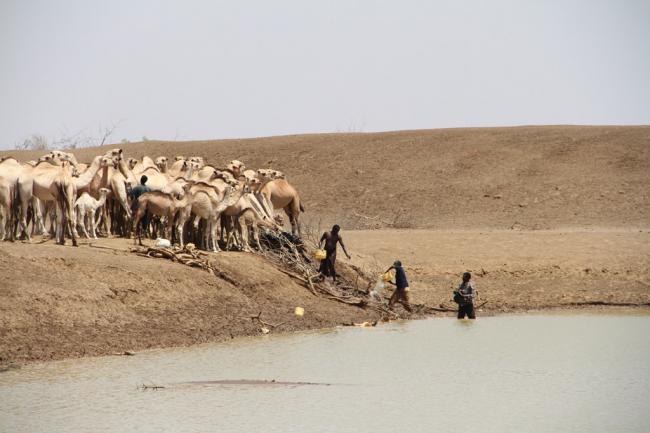
The food security situation for pastoralists is of particular concern, in Ethiopia, Kenya and Somalia, where animal mortality rates are high and milk production from the surviving animals has declined sharply with negative consequences on food security and nutrition.
“When we know how critical milk is for the healthy development of children aged under five, and the irreversible damage its lack can create, it is evident that supporting pastoralists going through this drought is essential,” said Burgeon.
Poor crop prospects
In several cropping areas across the region, poor rains have caused sharp reductions in planting, and wilting of crops currently being harvested. Despite some late rainfall in May, damage to crops is irreversible.
In addition, fall armyworm, which has caused extensive damage to maize crops in southern Africa, has spread to the east and has worsened the situation.
Cereal prices are surging, driven by reduced supplies and concerns over the performance of current-season crops. Prices in May were at record to near-record levels in most markets and up to double their year-earlier levels.
Photo: Rita Maingi/ OCHA
Source: www.justearthnews.com
Support Our Journalism
We cannot do without you.. your contribution supports unbiased journalism
IBNS is not driven by any ism- not wokeism, not racism, not skewed secularism, not hyper right-wing or left liberal ideals, nor by any hardline religious beliefs or hyper nationalism. We want to serve you good old objective news, as they are. We do not judge or preach. We let people decide for themselves. We only try to present factual and well-sourced news.
Support objective journalism for a small contribution.


