June 27, 2026 12:08 am (IST)

Follow us:


UN urges adoption of treaty against forced labour
New York, May 24 (IBNS): Independent United Nations human rights experts dealing with the issues of slavery, migrants and trafficking on Friday called on governments to adopt a legally binding international protocol to respond to the scourge of forced labour.
Forced labour generates USD 150 billion in illegal profits per year, which is about three times more than previously estimated, according to new figures released this week by the UN International Labour Organization (ILO) in its report ‘Profits and Poverty: The Economics of Forced Labour.’
“A legally binding protocol is essential to fight forced labour and represents a crucial opportunity for more coherent international action to advance the eradication of slavery-like practices around the world,” the experts stressed in a news release.
“Setting adequate international standards will enable to hold accountable all those who fail to exercise due diligence to prevent exploitation of the most vulnerable in society.”
The ILO report noted that two-thirds of the USD 150 billion generated by forced labour – or USD 99 billion – came from commercial sexual exploitation, while another USD 51 billion resulted from forced economic exploitation, including domestic work, agriculture and other economic activities.
The human rights experts called on ILO members to take appropriate action at the upcoming International Labour Conference, set to begin on 28 May, and encouraged them to vote for a legally binding protocol supported by a guiding recommendation to States.
“There are over 20 million people today who are victims of forced labour. These are women, men and children who are economically and sexually exploited,” said the Special Rapporteur on contemporary forms of slavery, Gulnara Shahinian. “Slavery like practices like forced labour continues to exist today because they are profitable.”
“Many of the victims of forced labour are migrants who leave their country of origin due to pull-factors that are largely in response to unrecognized needs in the labour markets in countries of destination,” noted Special Rapporteur on the human rights of migrants François Crepeau.
The Special Rapporteur on trafficking in persons, Joy Ezeilo, added that ILO’s support for a legally binding protocol would be a “stepping stone” in addressing the demand and supply which fuels the grave human rights violations inflicted on those trafficked for forced labour across different sectors of the economy.
Independent experts or special rapporteurs are appointed by the Geneva-based UN Human Rights Council to examine and report back on a country situation or a specific human rights theme. The positions are honorary and the experts are not UN staff, nor are they paid for their work.
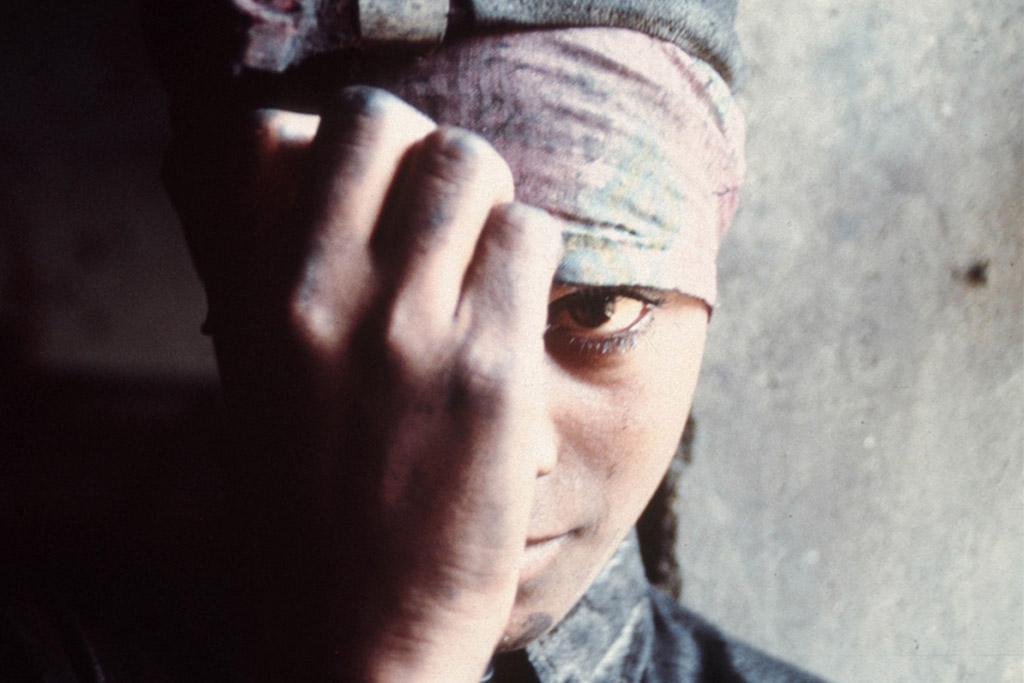
(Forced labour often means unpaid wages, excessively long work hours without rest days, confiscation of ID documents, little freedom of movement, deception, intimidation and physical or sexual violence. ILO/A. Khemka)
#United Nations
# slavery
# Migrants
# Trafficking
# international protocol
# treaty
# forced labour
Support Our Journalism
We cannot do without you.. your contribution supports unbiased journalism
IBNS is not driven by any ism- not wokeism, not racism, not skewed secularism, not hyper right-wing or left liberal ideals, nor by any hardline religious beliefs or hyper nationalism. We want to serve you good old objective news, as they are. We do not judge or preach. We let people decide for themselves. We only try to present factual and well-sourced news.
Support objective journalism for a small contribution.



Latest Headlines
Iran-US conflict: Cargo vessel hit near Strait of Hormuz, UN agency pauses evacuation operations
Fri, Jun 26 2026
UN study finds AI systems reproduce human bias, including sexism, racism across 133 models
Wed, Jun 24 2026
Night of chaos in France: Arrests, stabbings and panic at nationwide music festival
Tue, Jun 23 2026
‘I have heard the answer of my party’: Keir Starmer quits as UK Prime Minister amid Labour Party turmoil
Mon, Jun 22 2026
Massive explosion rocks Qatar gas hub, 54 injured and 18 missing
Mon, Jun 22 2026