


UN risk reduction forum in Cancun closes with call to harness data
“We can only prove progress on reducing disaster losses if we know accurately what those losses are,” Robert Glasser, the UN Secretary-General's Special Representative for Disaster Risk Reduction, said in his closing remarks.
The 2017 Global Platform for Disaster Risk Reduction wrapped up late Friday with a call for facts and figures on economic and human losses in natural disasters. The deadline would be 2020, the same as the date set out in the Sendai Framework for Disaster Risk Reduction for all countries to have in place strategies for disaster loss reduction.
Last year, 445 million people were affected by disasters linked to natural hazards worldwide including floods, storms, earthquakes and drought, 8,000 people lost their lives and direct economic losses from major disaster events were estimated at $138.8 billion.
The World Bank estimates that the real cost to the global economy from disasters is $520 billion per year and that they push 24 million people into poverty annually.
“ If you don't measure something – transparently – it's not going to happen,” said Glasser, stressing the importance of effective monitoring.
Held every two years since the 2004 Indian Ocean tsunami to discuss disaster reduction, the 2017 Global Platform – the fifth such event to date – brought together some 6,000 Heads of State, policy makers, disaster risk managers, civil society and other participants.
This is the first international summit on disaster since the “Sendai Framework, which was adopted in 2015 in the northern Japanese city after which it was named, and consists of seven targets and four priorities for action that aim for the substantial reduction of disaster risk and losses in lives, livelihoods and health and in the economic, physical, social, cultural and environmental assets of persons, businesses, communities and countries.
The first cycle of monitoring progress on implementing the Sendai Framework is scheduled to be launched in early 2018.
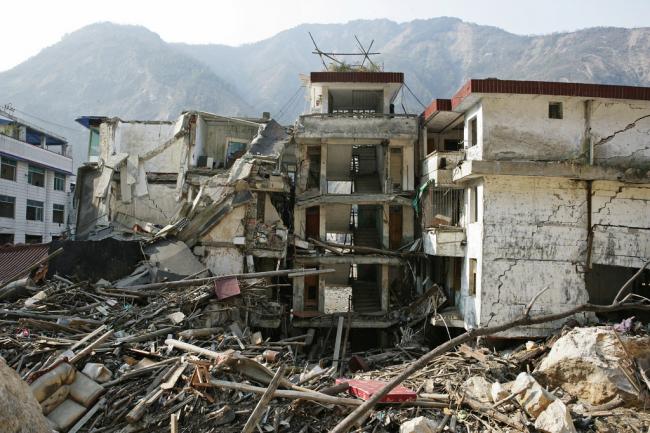
Photo: World Bank/Wu Zhiyi
Source: www.justearthnews.com
Support Our Journalism
We cannot do without you.. your contribution supports unbiased journalism
IBNS is not driven by any ism- not wokeism, not racism, not skewed secularism, not hyper right-wing or left liberal ideals, nor by any hardline religious beliefs or hyper nationalism. We want to serve you good old objective news, as they are. We do not judge or preach. We let people decide for themselves. We only try to present factual and well-sourced news.
Support objective journalism for a small contribution.


