


UN rights office appeals for peaceful Zimbabwe elections amid reports of intimidation
New York, July 25 (IBNS): Zimbabwe’s upcoming presidential elections must be peaceful and credible, the UN Human Rights Office, OHCHR, said on Tuesday, amid increasing reports of voter intimidation and coercion linked to the ruling ZANU-PF party.
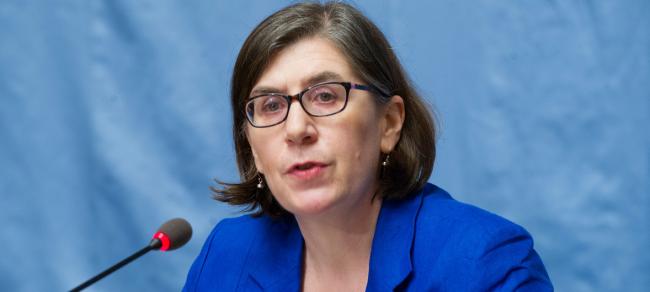
Ahead of the 30 July poll, OHCHR spokesperson Liz Throssell said that UN staff were not in a position to verify the reports, which have nonetheless surfaced in a context of a “widening of the democratic space” in the country.
“We note the signing of the peace pledge by the political parties on 26 June, under the auspices of the National Peace and Reconciliation Commission,” she told journalists in Geneva. “We welcome their commitment to promote a climate of peace and tolerance, accept the results of the elections or challenge the results through the due process of law.”
The frontrunners in the election are President Emmerson Mnangagwa from the ruling ZANU-PF party and his opponent, Nelson Chamisa, head of the Movement for Democratic Change (MDC).
Noting a “cautious optimism” surrounding the elections amid political rallies and peaceful demonstrations in the capital, Harare, the OHCHR spokesperson added that it was to be welcomed that international human rights organizations and national rights monitors were present, too.Robert Mugabe, the country’s former leader, resigned under pressure last November after 37 years in power.
“The run-up to elections previously in Zimbabwe were very different, very much marred by violence. From what we have been seeing, what we have been monitoring, there has not been that scale of violence. In fact, civil society, people that our colleague has spoken to, have expressed this cautious optimism. It’s far from perfect, but there are encouraging signs.”
Despite these positive developments, several rural areas — Mashonaland Central, Mashonaland East, Mashonaland West, Midlands and Manicaland Province — have been linked to “an increasing number of reports” of harassment and coercion of voters, Ms. Throssell cautioned.
These reports of intimidation linked to ZANU-PF and traditional leaders who support the ruling party have been made by civil society organizations and cannot be verified by OHCHR, which has just one staff member in the country.
The issue of verbal attacks against women has also been a feature of the election campaign, taking place largely on social media and in local languages.
“From what I understand from information I’ve been given, there’s about 15 per cent of the candidates that are women,” Ms. Throssell told UN News. “Now the kind of disparaging language is really not going to come of any surprise to you — it’s targeting them on the basis of them being women. Calling them bra-burning feminists, calling them, sort of, substandard candidates, attacking them personally.”
The OHCHR appeal to Zimbabwe’s Government, political parties and other institutions follows concern over Zimbabwe’s alleged human rights violations and level of electoral violence in the past.
The international community imposed sanctions on the country in the early 2000s, following reports of election-rigging and suppression of the opposition.
Support Our Journalism
We cannot do without you.. your contribution supports unbiased journalism
IBNS is not driven by any ism- not wokeism, not racism, not skewed secularism, not hyper right-wing or left liberal ideals, nor by any hardline religious beliefs or hyper nationalism. We want to serve you good old objective news, as they are. We do not judge or preach. We let people decide for themselves. We only try to present factual and well-sourced news.
Support objective journalism for a small contribution.


