


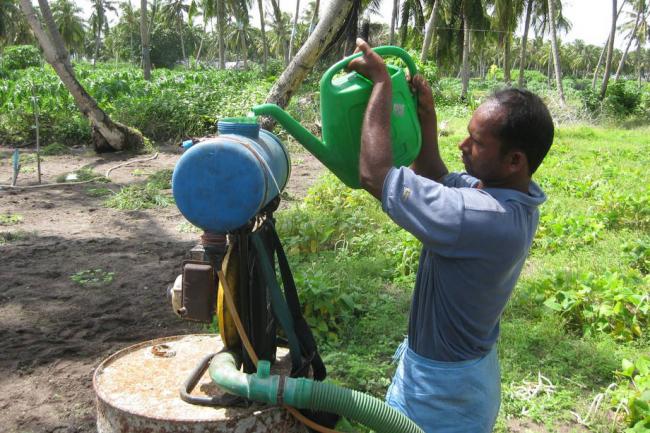
UN human rights experts call for global treaty to regulate dangerous pesticides
“Excessive use of pesticides are very dangerous to human health, to the environment and it is misleading to claim they are vital to ensuring food security,” the Special Rapporteur on the right to food, Hilal Elver, and the Special Rapporteur on Toxics, Baskut Tuncak, said in a joint statement to the Human Rights Council in Geneva.
The Special Rapporteurs pointed to research showing that pesticides were responsible for an estimated 200,000 acute poisoning deaths each year. Some 99 per cent of fatalities occurred in developing countries where health, safety and environmental regulations were weaker.
Chronic exposure to pesticides has been linked to cancer, Alzheimer’s and Parkinson’s diseases, hormone disruption, developmental disorders and sterility. Farmers and agricultural workers, communities living near plantations, indigenous communities and pregnant women and children are particularly vulnerable to pesticide exposure and require special protections.
The experts particularly emphasized the obligation of States to protect the rights of children from hazardous pesticides, also warning that certain pesticides can persist in the environment for decades and pose a threat to the entire ecological system on which food production depends.
While acknowledging that certain international treaties currently offer protection from the use of a few pesticides, they stressed that a global treaty to regulate the vast majority of them throughout their life cycle does not yet exist, leaving a critical gap in the human rights protection framework.
“Without harmonized, stringent regulations on the production, sale and acceptable levels of pesticide use, the burden of the negative effects of pesticides is felt by poor and vulnerable communities in countries that have less stringent enforcement mechanisms,” they emphasized.
Special Rapporteurs and independent experts are appointed by the Geneva-based UN Human Rights Council to examine and report back on a specific human rights theme or a country situation. The positions are honorary and the experts are not UN staff, nor are they paid for their work.
Photo: FAO/Harry vanderWulp
Source: www.justearthnews.com
Support Our Journalism
We cannot do without you.. your contribution supports unbiased journalism
IBNS is not driven by any ism- not wokeism, not racism, not skewed secularism, not hyper right-wing or left liberal ideals, nor by any hardline religious beliefs or hyper nationalism. We want to serve you good old objective news, as they are. We do not judge or preach. We let people decide for themselves. We only try to present factual and well-sourced news.
Support objective journalism for a small contribution.


