

UN expert urges Somalia to guarantee free expression and to suspend death penalty
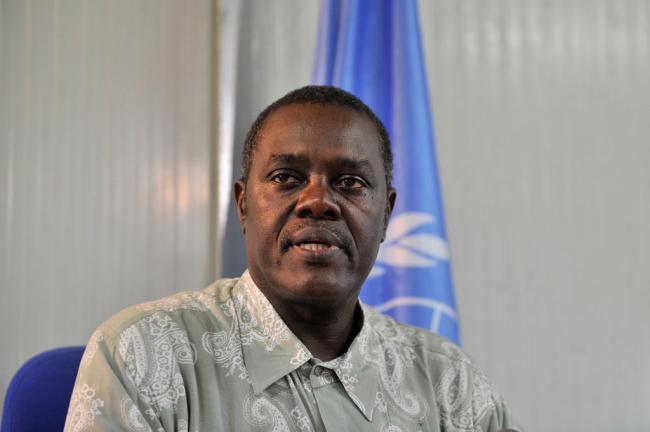
“Somali journalists are often harassed, arrested, censored, even imprisoned, and media organizations are closed down,” underlined Bahame Tom Mukirya Nyanduga, who is the United Nations Independent Expert on the situation of human rights in the troubled Horn of Africa country, where he just completed his second mission on 29 May.
“Such incidents risk having a chilling effect on this basic right, particularly essential at a time when Somalia moves towards finalising its State-building process,” the expert noted, calling on the Federal Government to put in place a legal framework that guarantees the freedom of the media, to practise their profession free of intimidation, harassment and imprisonment.
Bahame Nyanduga also expressed concern at the continued application of the death penalty throughout Somalia, despite the commitment to adopt a moratorium on capital punishment made by the Government to the UN Human Rights Council during it 2011 Universal Periodic Review of the situation in the country.
“I encourage the Somali authorities to put in place that moratorium,” he stressed.
During his eight-day mission, which began on 22 May, the expert equally drew attention to the apparent weakness in security and justice institutions, particularly the failure by the police to provide adequate security for the civilian population, including in camps for internally displaced people.
In response, the Government explained its efforts to increase police recruitment, particularly of female police officers and to enhance their technical capacities.
Officials also outlined the efforts undertaken to provide protection to victims of rape and gender-based violence and to encourage victims to use the formal justice system rather than the traditional justice system.
According to the Independent Expert, the Federal Government and the regional authorities to engage in dialogue with traditional and religious leaders in the lead-up to the constitutional referendum and elections in 2016 to encourage inclusive participation of women, minorities and persons with disabilities in the political process.
Next year, Somalia’s human rights record will be reviewed by other UN Member States through the Universal Periodic Review process.
This September, Bahame Nyanduga will submit a comprehensive report with recommendations to the Human Rights Council aimed at assisting the government to fulfil its obligations.
Independent experts or special rapporteurs are appointed by the Geneva-based Human Rights Council to examine and report back on a country situation or a specific human rights theme.
The positions are honorary and the experts are not UN staff, nor are they paid for their work.
Photo: UN Photo/Ilyas Ahmed
Support Our Journalism
We cannot do without you.. your contribution supports unbiased journalism
IBNS is not driven by any ism- not wokeism, not racism, not skewed secularism, not hyper right-wing or left liberal ideals, nor by any hardline religious beliefs or hyper nationalism. We want to serve you good old objective news, as they are. We do not judge or preach. We let people decide for themselves. We only try to present factual and well-sourced news.
Support objective journalism for a small contribution.