


UN expert urges Brazilian Government to ensure access to safe drinking water
“I remind the Government of Brazil that it is the State’s human rights obligation to take action and ensure access to safe and sufficient water, and to alternative sanitation,” Léo Heller, the UN Special Rapporteur on the human right to safe drinking water and sanitation, said today in a news release.
One month later, thousands of people in Minas Gerais and Espírito Santo states are still suffering interruptions to the water supply, said Heller.
Further, insufficient and disorganized distribution of water has caused people hours’ long wait for inadequate portion of water, without giving the priority to the vulnerable groups. Moreover, violence has been ignited due to the growing discontent, he noted.
“[People] are also frustrated by the inconsistent and inadequate information on the safety of the water provided by the different authorities,” said Heller, citing growing concern over the water quality and stressing that providing relevant information is a basic right.
Noting that the main water source in the region, Doce River, contains toxic elements exceeding safety levels, the human rights expert called on the authorities to urgently take preventative measures under the precautionary principle.
“The Government must strengthen its monitoring of both raw and treated water, improve water treatment, and disseminate clear information to the population in order to protect people’s human rights to safe drinking water and sanitation,” concluded Heller.
Special Rapporteurs, who are not UN staff and are independent from any government or organization, are appointed by and report to the Geneva-based UN Human Rights Council.
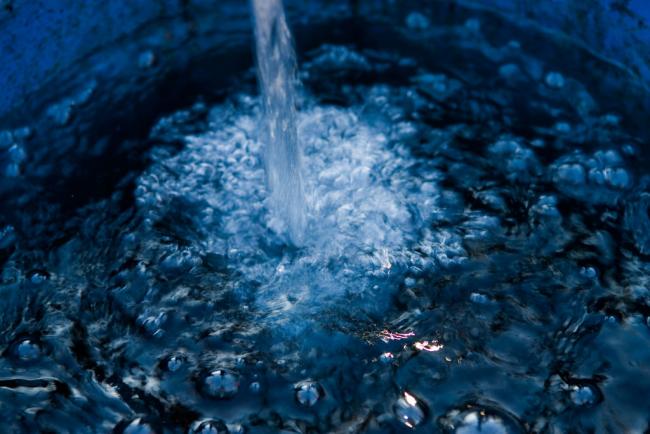
Photo: World Bank/Arne Hoel/www.justearthnews.com
Support Our Journalism
We cannot do without you.. your contribution supports unbiased journalism
IBNS is not driven by any ism- not wokeism, not racism, not skewed secularism, not hyper right-wing or left liberal ideals, nor by any hardline religious beliefs or hyper nationalism. We want to serve you good old objective news, as they are. We do not judge or preach. We let people decide for themselves. We only try to present factual and well-sourced news.
Support objective journalism for a small contribution.


