


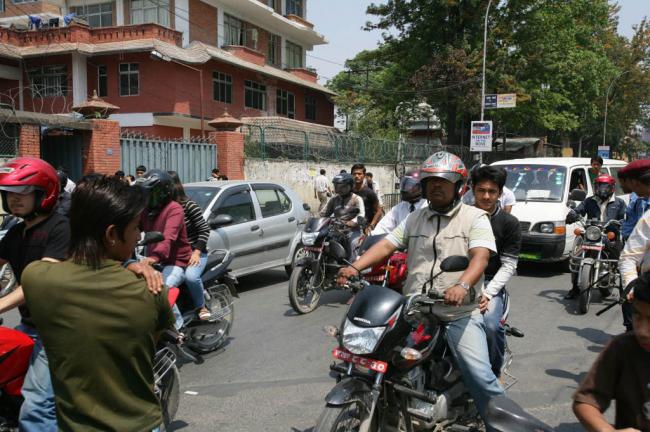
UN chief urges rapid scale-up in action to prevent vehicle-related deaths and injuries
“That means improving the quality and safety of roads and vehicles, preventing speeding and drunk driving, and vigorously promoting the use of seat-belts, motorcycle helmets and child car seats,” Ban said in his message on the World Day, in which he also cited the need to focus on post-crash response, as timely emergency care, better medical treatment, psychological support, and early rehabilitation for the injured can save lives and reduce disability.
He also expressed concerns over the failure of many countries to provide effective care for road traffic victims after crash, and failure to investigate crashes thoroughly and provide fair settlements for the injured.
“Worldwide, there is great disparity in access to emergency care. Some 90 per cent of the world's road fatalities occur in low and middle-income countries. It is estimated that if emergency care systems for seriously injured patients in these countries could be brought up to the levels of high-performing nations, an estimated 500,000 lives could be saved each year.”
Finally, the Secretary-General addressed the importance of achieving Sustainable Development Goal target 3.6 to reduce by 50 per cent by 2020 the number of people killed and injured in road traffic crashes.
“On this World Day of Remembrance, in honour of those killed and injured each year, let us take the necessary steps to make our roads safe for all,” he said.
Photo: WHO
Source: www.justearthnews.com
Support Our Journalism
We cannot do without you.. your contribution supports unbiased journalism
IBNS is not driven by any ism- not wokeism, not racism, not skewed secularism, not hyper right-wing or left liberal ideals, nor by any hardline religious beliefs or hyper nationalism. We want to serve you good old objective news, as they are. We do not judge or preach. We let people decide for themselves. We only try to present factual and well-sourced news.
Support objective journalism for a small contribution.


