


 Women Rights
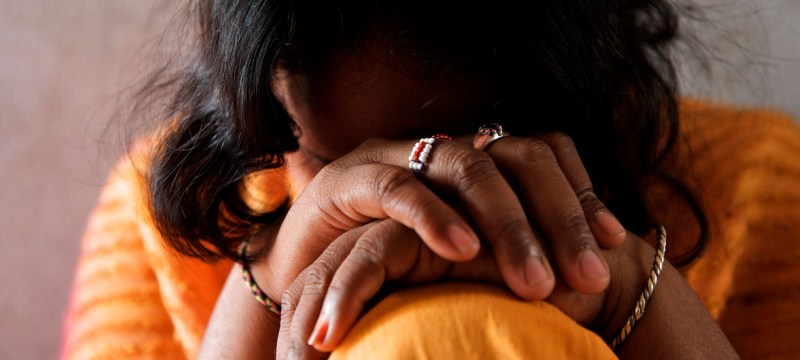
The pandemic is fuelling slavery and sexual exploitation, UN experts warn
New York: The COVID-19 pandemic has played into the hands of slavers and traffickers and requires stronger government measures to prevent exploitation of vulnerable people, more than 50 independent UN human rights experts said in a statement on Monday.
There was a direct link between the pandemic, socio-economic vulnerability and the risk of exploitation, they said. Exploitation could mean forced labour, including the worst forms of child labour, or being sold, trafficked and sexually exploited.
Governments and businesses should recognise how the loss of jobs, income or land could put vulnerable groups at greater risk, such as people already facing discrimination on grounds of sex, race, age, disability, religion, nationality and economic status, and people without basic services such as sanitation and education.
“If workers don’t receive adequate economic, social and other support from governments, without discrimination on grounds of migration and other status, they face serious risk of exploitation, including being subjected to slavery, servitude, forced or bonded labour, or trafficking in persons”, the statement said.
“In this regard, we are concerned that these practices have increased in the past months. In some cases, victims are further subjected to ill-treatment, torture, or even disappearance when they are prevented from informing as to their fate and whereabouts and put outside the protection of the law.”
Signatories to the statement included many Special Rapporteurs and Working Groups –independent experts who report to the UN Human Rights Council – as well as the Board of Trustees of the UN Voluntary Trust Fund on Contemporary Forms of Slavery, which was set up by the UN General Assembly in 1991.
Governments must do more to protect victims
They said governments must increase their efforts to identify and protect victims of slavery and trafficking, ensuring their access to essential health services, including reproductive health services, psycho-social counselling, legal assistance, vocational training, income-generating support and remedies without discrimination.
Governments should also try to remove social and employment inequalities that can make some people more at risk of slavery and exploitation, while international solidary was needed to ensure child protection was adequately funded, the human rights experts said.
“We call upon Member States and other entities to address the structural causes that contribute to slavery and exploitation and continue providing support to those offering comprehensive assistance to victims, including through contributions to the UN Voluntary Trust Fund on Contemporary Forms of Slavery, which will celebrate its 30th anniversary next year”, they said.
The statement’s first signatory, Tomoya Obokata, the Special Rapporteur on contemporary forms of slavery, plans to hold a webinar on Tuesday to discuss aid for racially discriminated groups subjected to slavery during the global pandemic.
The statement was issued ahead of the International Day for the Abolition of Slavery on 2 December, which marks the day in 1949 that the United Nations General Assembly adopted the first Convention to fight human trafficking.
The Special Rapporteurs and Working Groups are part of what is known as the Special Procedures of the Human Rights Council. The experts work on a voluntary basis; they are not UN staff and do not receive a salary. They are independent from any government or organization and serve in their individual capacity.
Support Our Journalism
We cannot do without you.. your contribution supports unbiased journalism
IBNS is not driven by any ism- not wokeism, not racism, not skewed secularism, not hyper right-wing or left liberal ideals, nor by any hardline religious beliefs or hyper nationalism. We want to serve you good old objective news, as they are. We do not judge or preach. We let people decide for themselves. We only try to present factual and well-sourced news.
Support objective journalism for a small contribution.


