


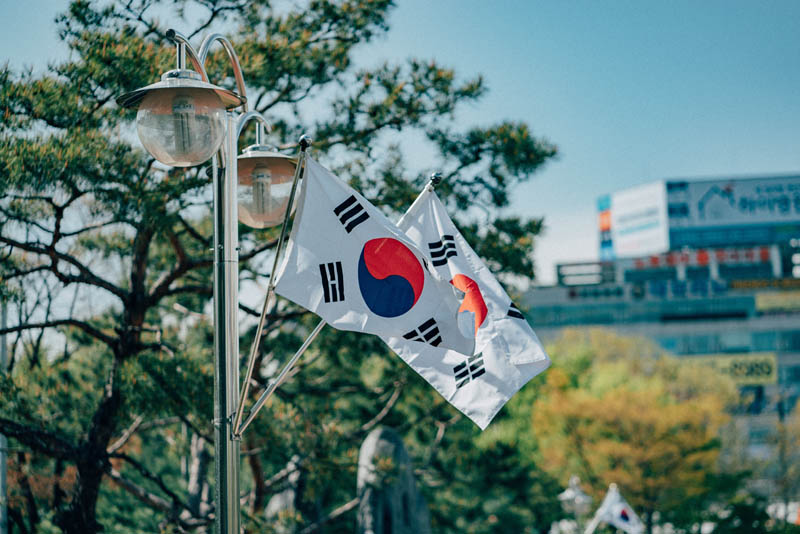
 South Korea
South Korea: Youth population expected to halve in 30 years
The number of young South Koreans was expected to halve in 30 years amid the rapidly aging population and the record-low birth-rate, the country's statistical agency said Monday.
The number of those aged 19-34 totalled 10,213,000 in 2020, taking up 20.4 percent of the country's total population, according to Statistics Korea.
The number was forecast to drop to 5,213,000 in 2050 after steadily declining from 13,849,000 in 1990 to 12,883,000 in 2000 and 10,967,000 in 2010.
The percentage of youth to the total population was forecast to tumble to 11.0 percent in 2050.
The total fertility rate, or an average number of children a woman is expected to bear in her lifetime, hit a new low of 0.78 in 2022 amid rapid population ageing.
The percentage of unmarried young people to the total youth population soared to 81.5 percent in 2020 from 75.0 percent five years earlier.
The figure has been on the fast rise from 54.5 percent in 2000 to 63.2 percent in 2005 and 68.9 percent in 2010.
The proportion of the economically active young women to the total young women had been on the increase from 42.3 percent in 2000 to 55.2 percent in 2010 and 61.1 percent in 2020.
The percentage of the economically active young men had roughly been on the decline from 66.0 percent in 2000 to 64.7 percent in 2010 and 63.9 percent in 2020.
(With UNI inputs)
Support Our Journalism
We cannot do without you.. your contribution supports unbiased journalism
IBNS is not driven by any ism- not wokeism, not racism, not skewed secularism, not hyper right-wing or left liberal ideals, nor by any hardline religious beliefs or hyper nationalism. We want to serve you good old objective news, as they are. We do not judge or preach. We let people decide for themselves. We only try to present factual and well-sourced news.
Support objective journalism for a small contribution.


