


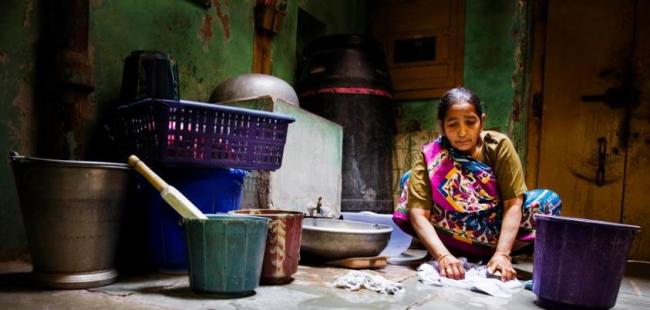
Regulations, incentives can reduce high levels of informality in domestic work – UN
The report, Formalizing Domestic Work, confirms that because domestic work takes place in the private sphere, many households do not make use of formal arrangements, whether due to cost concerns, lack of information, or a belief that domestic labour is not real work. It also assesses the ways in which informal work leads to substandard working conditions and creates a hindrance to development. Informal domestic work creates adverse conditions especially for women.
Worldwide, there are some 67 million domestic workers, 50 million of which are employed informally.
According to Claire Hobden, ILO specialist on domestic work, the employment relationship takes place within the private sphere – the household. So it can be blurred or disguised by social norHouseholds and workers are often not aware of their respective rights and responsibilities, and may perceive formal arrangements as costly and complicated.
“Low levels of voice and representation in the sector also means that households and workers sometimes do not have a means of shaping policy,” she added.
The number of domestic workers is expected to grow, in part due to what Hobden explains is a “care crisis,” as populations age and more women enter the workforce.
“Formalization policies,” she said, “can help ensure the creation of a sufficient number of decent jobs in the sector, as well as a workforce trained to provide quality services. In the absence of such policies, informality in domestic work will most likely persist.”
The study includes a number of practices and policy approaches from countries around the world that either improve or worsen situations for domestic workers. Some of the recommended measures include simplifying registration procedures and setting standard contracts; ensuring domestic workers have access to social insurance policies; promoting the professionalization of the field through skills training and salary scales that match certification and experience; and developing compliance campaigns to raise awareness of workers' rights and responsibilities.
Philippe Marcadent, Chief of the branch of the ILO that produced the report, stressed the importance of promoting formal employment in order to contribute to the achievement of the UN Sustainable Development Goals (SDGs), specifically Goal 8, which seeks to achieve inclusive and sustainable economic growth and full and productive employment and decent work for all.
“No worker should be left behind,” said Marcadent. “Formalizing domestic work is, therefore, a key means of ensuring that this goal will be met.”
Photo: ILO/B. Patel
Source: www.justearthnews.com
Support Our Journalism
We cannot do without you.. your contribution supports unbiased journalism
IBNS is not driven by any ism- not wokeism, not racism, not skewed secularism, not hyper right-wing or left liberal ideals, nor by any hardline religious beliefs or hyper nationalism. We want to serve you good old objective news, as they are. We do not judge or preach. We let people decide for themselves. We only try to present factual and well-sourced news.
Support objective journalism for a small contribution.


