


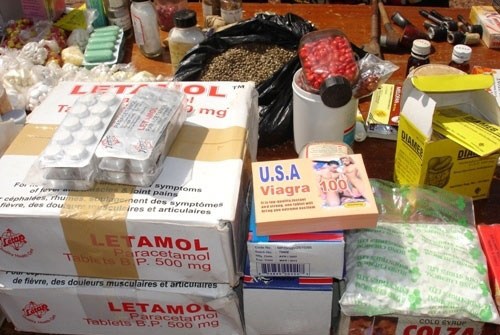
One in 10 medicines in developing countries substandard or falsified – UN health agency
New York, Nov 30(Just Earth News): Substandard or fake medicines that fail to prevent and cure disease – and could even cause death – are becoming more and more prevalent, the World Health Organization (WHO) has warned, calling on Governments to take urgent actions to tackle this global problem.
“Substandard and falsified medicines particularly affect the most vulnerable communities,” Tedros Adhanom Ghebreyesus, WHO Director-General, said during the launch of the Global Surveillance and Monitoring System report and a study on the Public health and socioeconomic impact in Geneva.
“These products do nothing but prolong sickness, waste money and erode hope. At worst, they kill, cause serious harm, and fan the flames of drug resistance,” Tedros Adhanom underscored.
According to the reports, anti-malarials and antibiotics are the most common substandard or falsified products. Others range from cancer treatment to contraception.
While most cases received are from Africa, WHO said the data is the tip of the iceberg as many more are unreported.
“Substandard or falsified medicines not only have a tragic impact on individual patients and their families, but also are a threat to antimicrobial resistance, adding to the worrying trend of medicines losing their power to treat,” said Mariângela Simão, Assistant Director-General for Access to Medicines, Vaccines and Pharmaceuticals at WHO.
Progress has been made since 2013, with 550 regulators from 141 countries having been trained to detect and respond to this issue. As more people are trained, more cases are reported to WHO.
Substandard and falsified medicines not only have negative health impact, but they also cause socioeconomic problems due to the absence of good governance and weak technical capacity.
Globalization also makes it harder to regulate medical products, and online pharmacies can easily avoid quality control.
Calling it an “all-too-common” reality, Tedros Adhanom urged Governments to set prevention, detection and response into action.
“These commitments are not costs; they’re investments that protect businesses and markets, and the integrity of health systems,” he said, adding that “but more importantly, they’re investments in human capital.”
Photo: IRIN/Brahima Ouedraogo
Source: www.justearthnews.com
Support Our Journalism
We cannot do without you.. your contribution supports unbiased journalism
IBNS is not driven by any ism- not wokeism, not racism, not skewed secularism, not hyper right-wing or left liberal ideals, nor by any hardline religious beliefs or hyper nationalism. We want to serve you good old objective news, as they are. We do not judge or preach. We let people decide for themselves. We only try to present factual and well-sourced news.
Support objective journalism for a small contribution.


