


In Asia and Pacific, UN views sustainable development through demographic changes
Addressing a meeting of the UN Economic and Social Commission for Asia and the Pacific, ESCAP Executive Secretary called for multidimensional solutions to address the challenges of social development and achieve the 17 goals of the 2030 Agenda for Sustainable Development.
“Social development is therefore a necessary condition for ensuring that 'no one is left behind', but to do so, we must harness the potential of the powerful nexus between poverty reduction, equality and social stability,” said Under-Secretary-General Shamshad Akhtar.
The audience was comprised of ESCAP's Social Development Committee, one of the organization's eight committees, and representatives from 20 countries in the region.
An overall focus of the discussions was on how to address the inequalities within and between countries, and the demographic changes – such as aging populations and migration influxes.
In closing to the three-day meeting on 30 March, the Committee requested that ESCAP continue supporting member States through capacity development and knowledge sharing, building partnerships with stakeholders, and serving as a key regional platform to enhance the social dimension of sustainable development.
Also on Wednesday, ESCAP launched publications, Time for Equality: The Role of Social Protection in Reducing Inequalities in Asia and the Pacific, and in partnership with the UN International Labour Organization (ILO) and on behalf of the Asia-Pacific RCM Thematic Working Group on Youth, Switched On: Youth at the Heart of Sustainable Development in Asia and the Pacific.
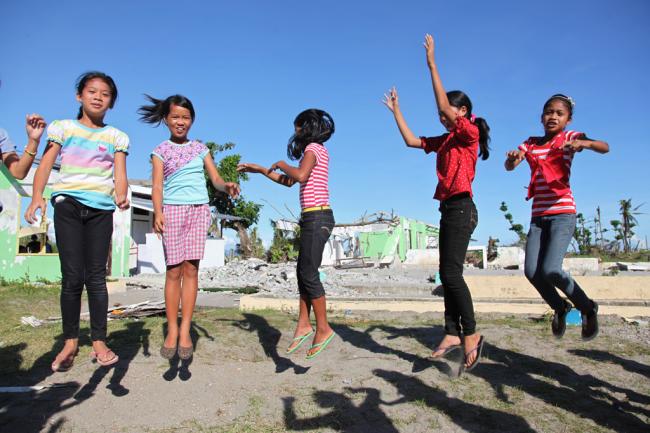
Photo: UNICEF/Giacomo Pirozzi
Support Our Journalism
We cannot do without you.. your contribution supports unbiased journalism
IBNS is not driven by any ism- not wokeism, not racism, not skewed secularism, not hyper right-wing or left liberal ideals, nor by any hardline religious beliefs or hyper nationalism. We want to serve you good old objective news, as they are. We do not judge or preach. We let people decide for themselves. We only try to present factual and well-sourced news.
Support objective journalism for a small contribution.


