


 ILO
ILO
ILO urges better policies to protect workers, businesses, as digital platforms proliferate
New York: The UN International Labour Organization (ILO) on Tuesday highlighted the need for enhanced international policy cooperation to provide decent work opportunities and foster sustainable business growth in the digital economy.
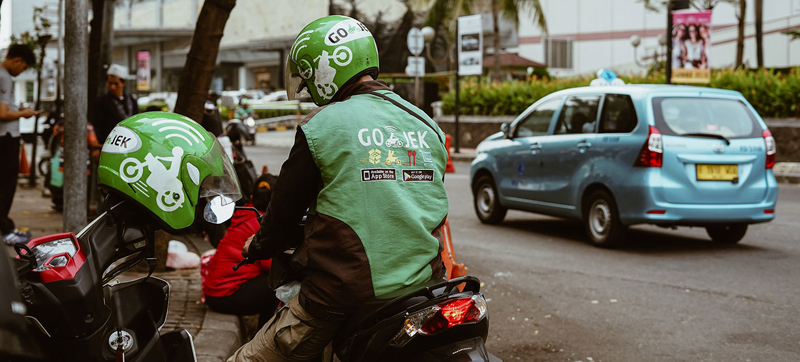
According to the agency, digital labour platforms – such as remote tasking, and location-based apps where workers are involved in transport or delivery – saw an almost five-fold increase over the last decade. This surge offered new opportunities and presented challenges for both workers and businesses, it added.
“Digital labour platforms are opening up opportunities that did not exist before, particularly for women, young people, persons with disabilities and marginalized groups in all parts of the world. That must be welcomed”, Guy Ryder, ILO Director-General, said.
The opportunities created by such platforms are, however, blurring the previously clear distinction between employees and the self-employed, said ILO.
Working conditions are largely regulated by the platforms’ terms of service agreements laid out by businesses themselves, and algorithms are increasingly replacing humans in allocating and evaluating work, and human resources.
“The new challenges they present can be met through global social dialogue so that workers, employers and governments can fully and equally benefit from these advances. All workers, regardless of employment status, need to be able to exercise their fundamental rights at work”, Mr. Ryder said.
Furthermore, with platforms operating across multiple jurisdictions, coherent and coordinated policies are needed to ensure they provide decent work opportunities and foster the growth of sustainable businesses, ILO urged.
Difficulties for workers and businesses
In its new report, World Employment and Social Outlook 2021, ILO outlined challenges for digital platform workers, including over working conditions, hours and income, and the lack of access to social protection, freedom of association and collective bargaining rights. The COVID-19 pandemic has further exposed many of these issues.
ILO noted that working hours can often be long and unpredictable, wages low, and, on some platforms, a significant gender pay gap exists. Businesses also face challenges such as those relating to unfair competition, non-transparency with regard to data and pricing, and high commission fees, it added.
Furthermore, work on online web-based platforms is outsourced by businesses in the global North, and performed by workers in the global South, who earn less than their counterparts in developed countries, which could exacerbate inequalities and perpetuate the digital divide, ILO said.
Overcoming challenges
Against this backdrop, ILO urged broad dialogue and regulatory cooperation between digital labour platforms, workers and governments, which could lead over time to a more effective and consistent approach.
Such efforts would also ensure that work status is correctly classified, in line with national classification systems; there is greater transparency and accountability of algorithms for workers and businesses; and workers can access the courts of the jurisdiction in which they are located if they so choose.
Support Our Journalism
We cannot do without you.. your contribution supports unbiased journalism
IBNS is not driven by any ism- not wokeism, not racism, not skewed secularism, not hyper right-wing or left liberal ideals, nor by any hardline religious beliefs or hyper nationalism. We want to serve you good old objective news, as they are. We do not judge or preach. We let people decide for themselves. We only try to present factual and well-sourced news.
Support objective journalism for a small contribution.


